Glyphs
Ali Akbar PN
Suchender P
Tarika Sabherwal
Further Reading
Glyphs
Ali Akbar PN
Suchender P
Tarika Sabherwal
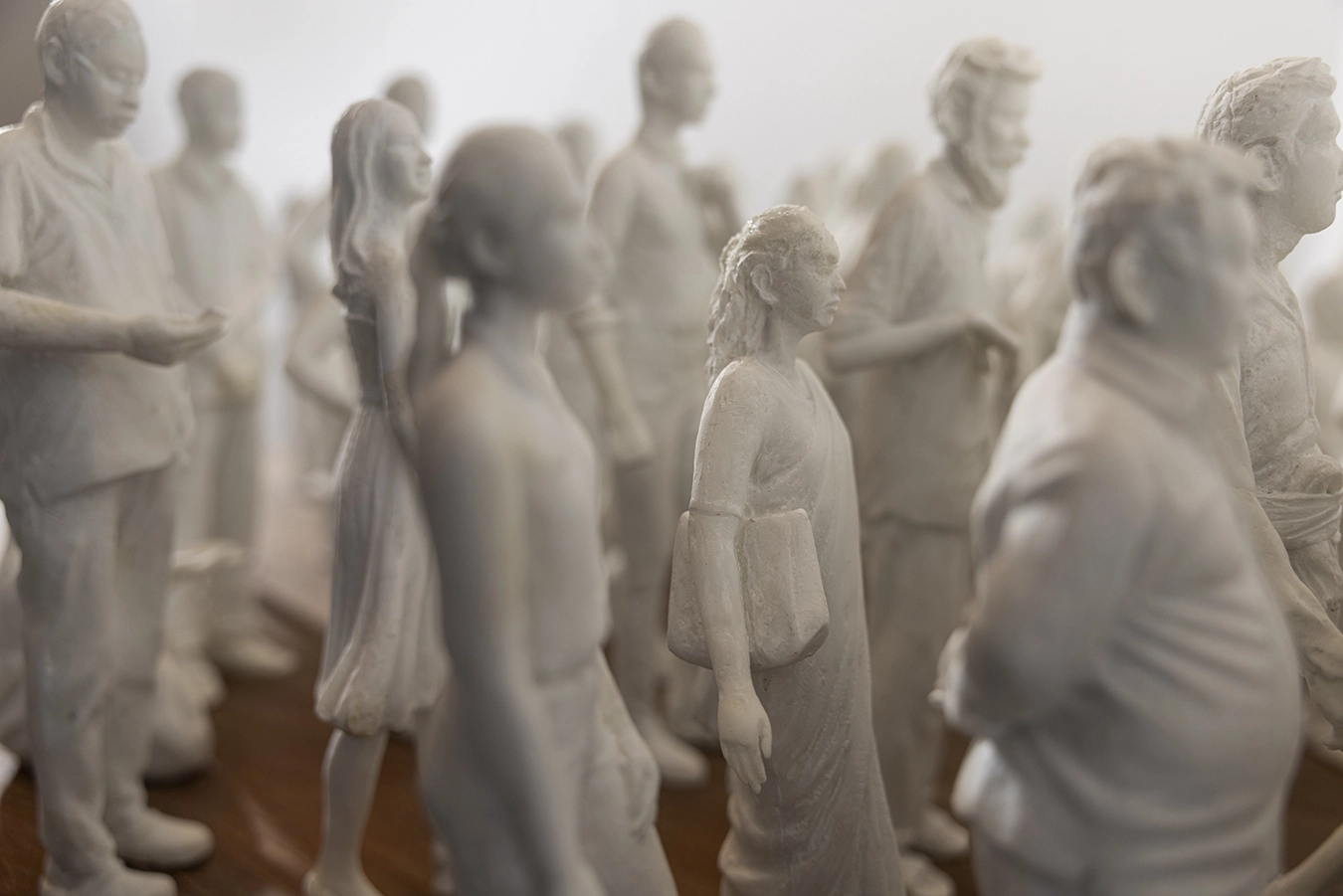
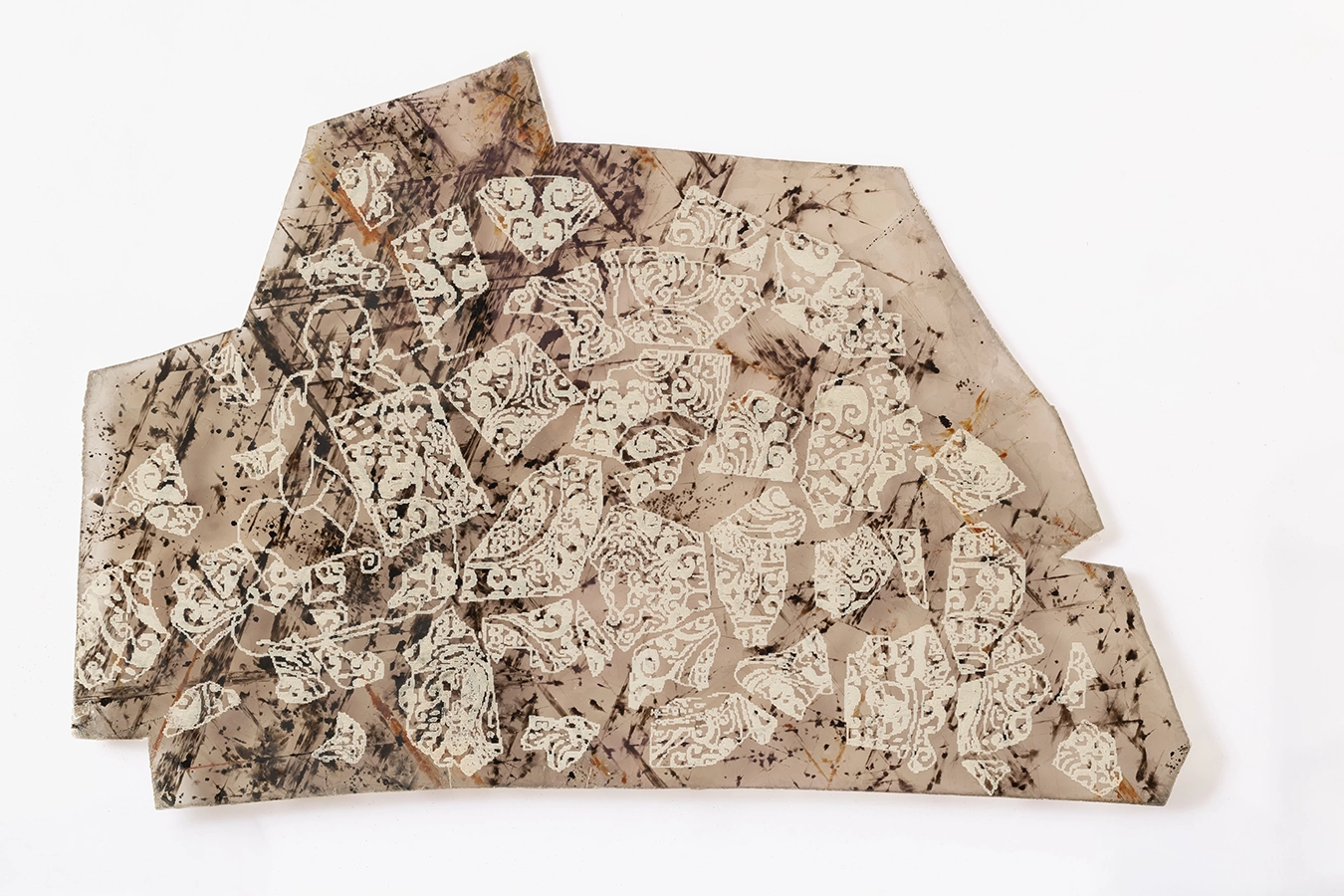
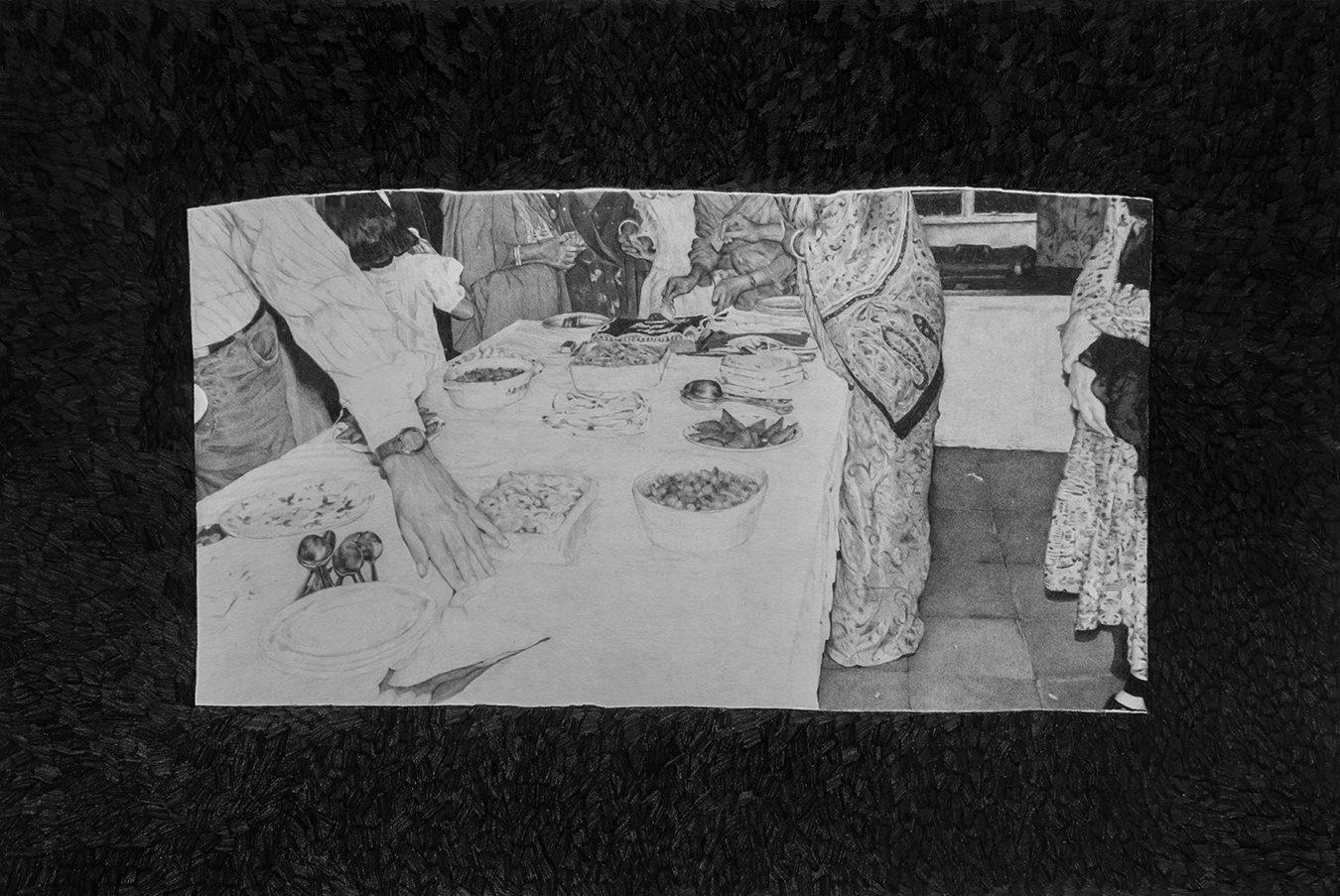
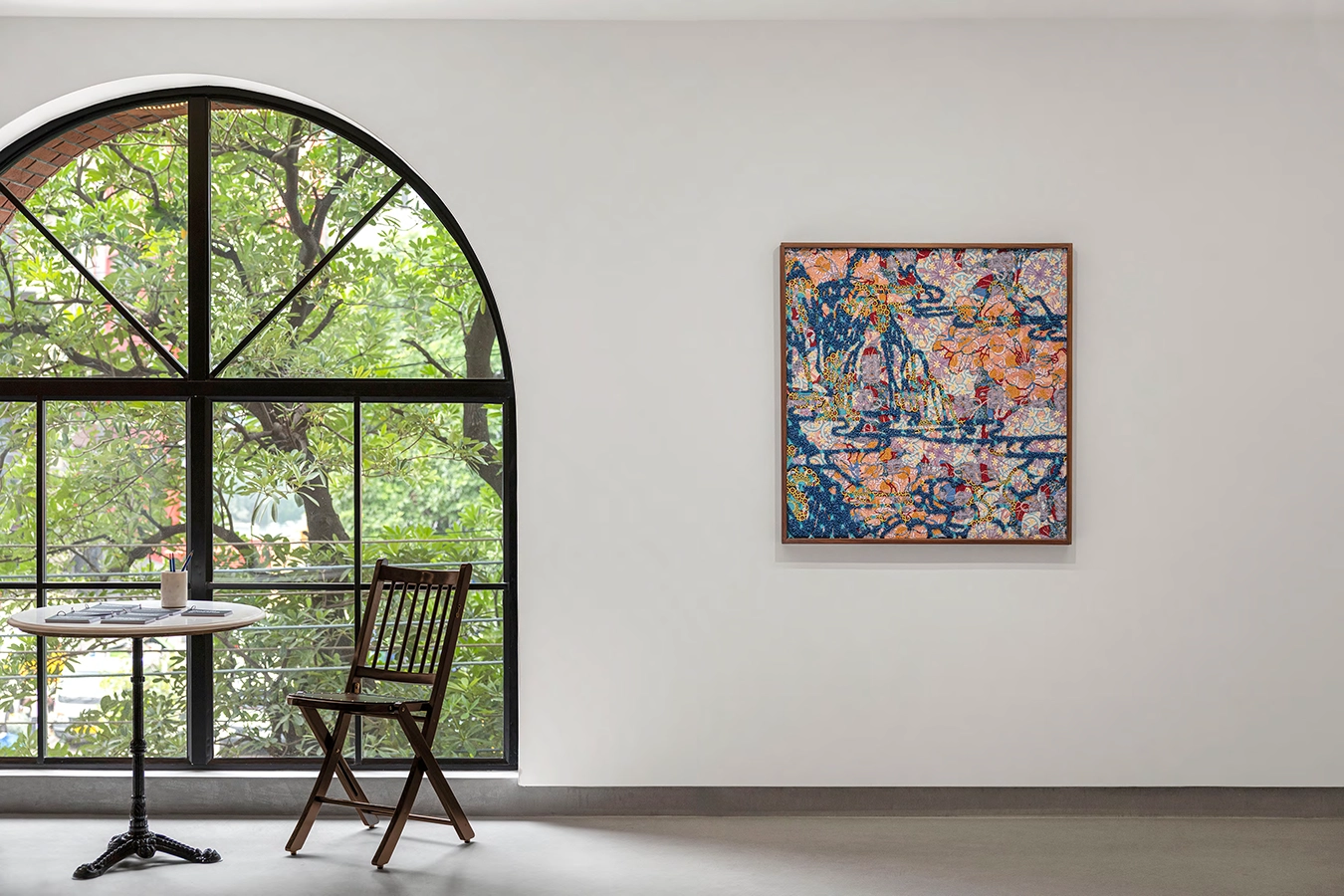
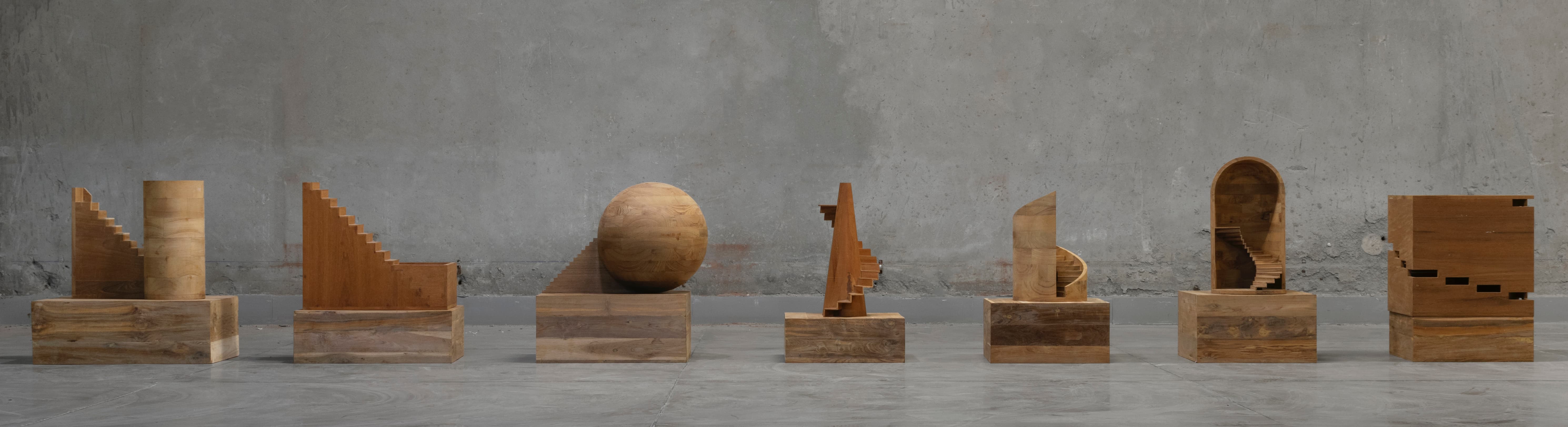
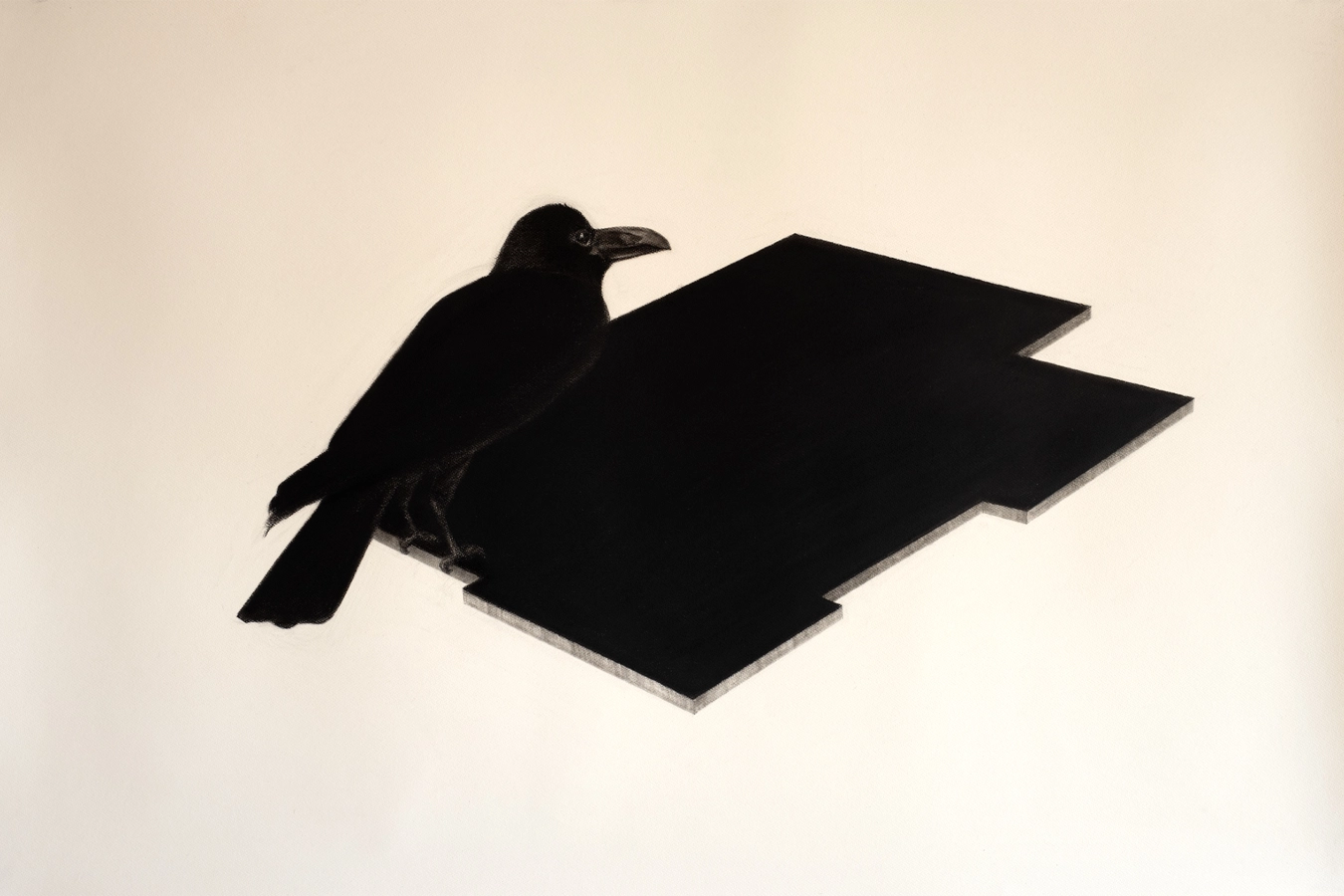
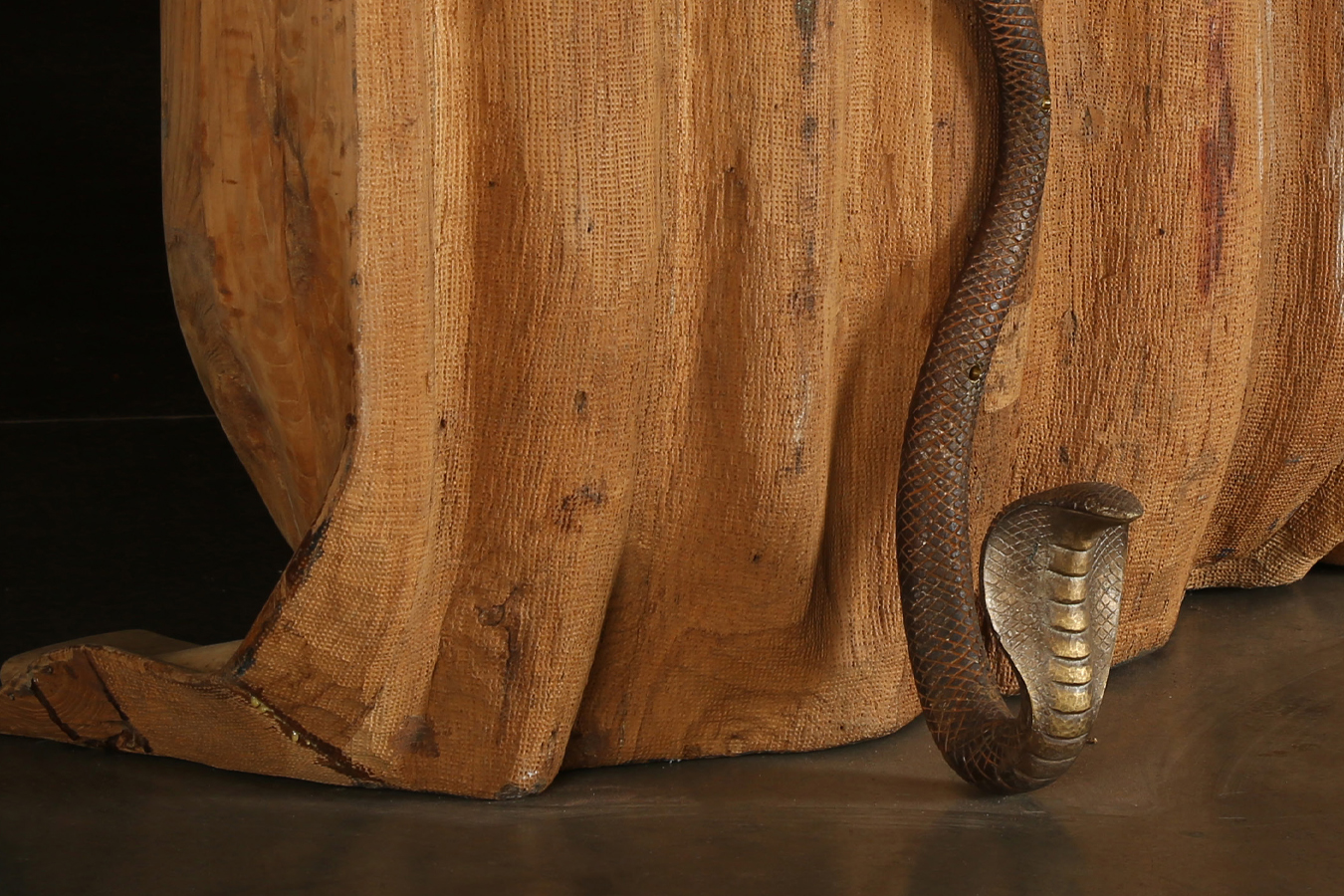
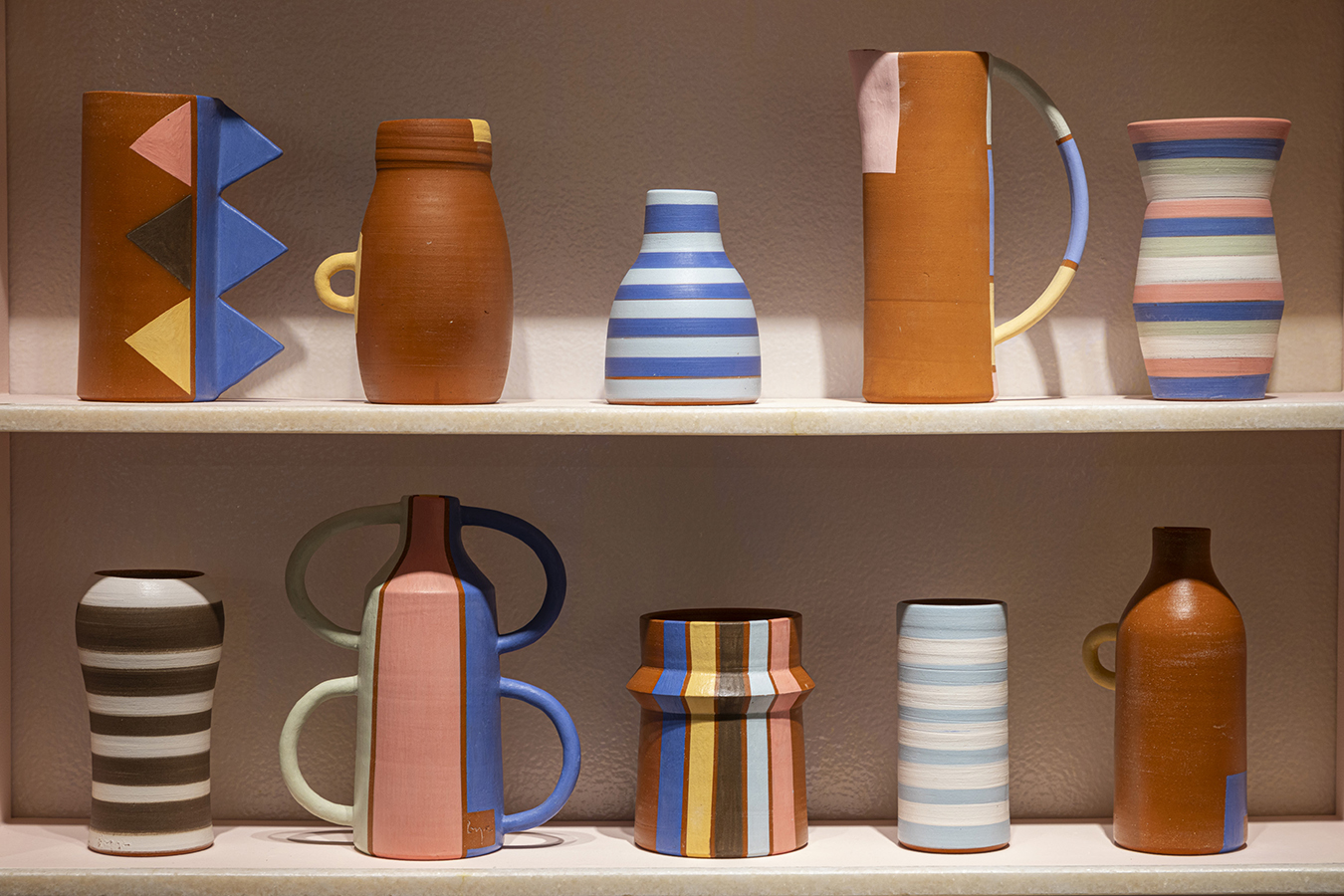
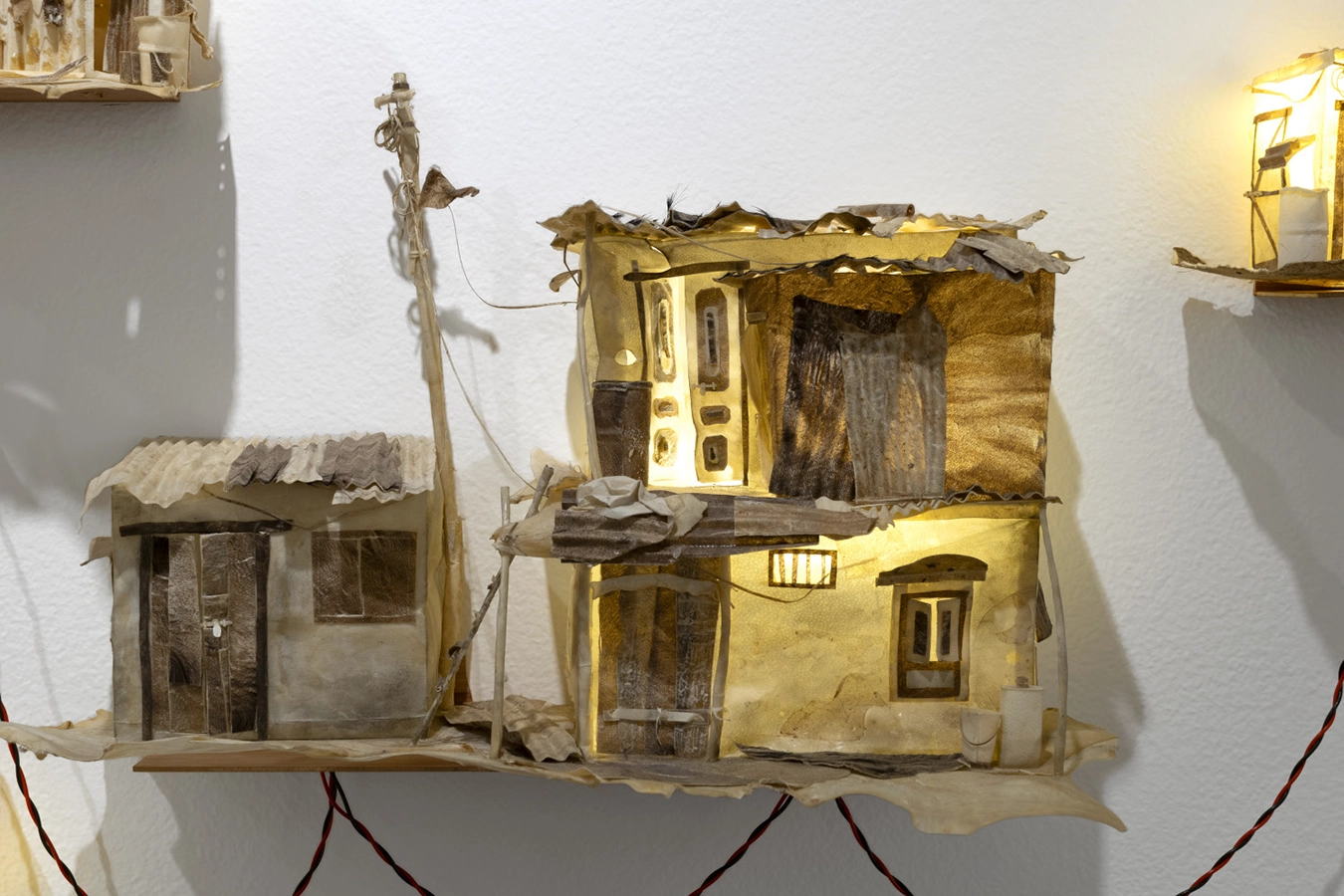
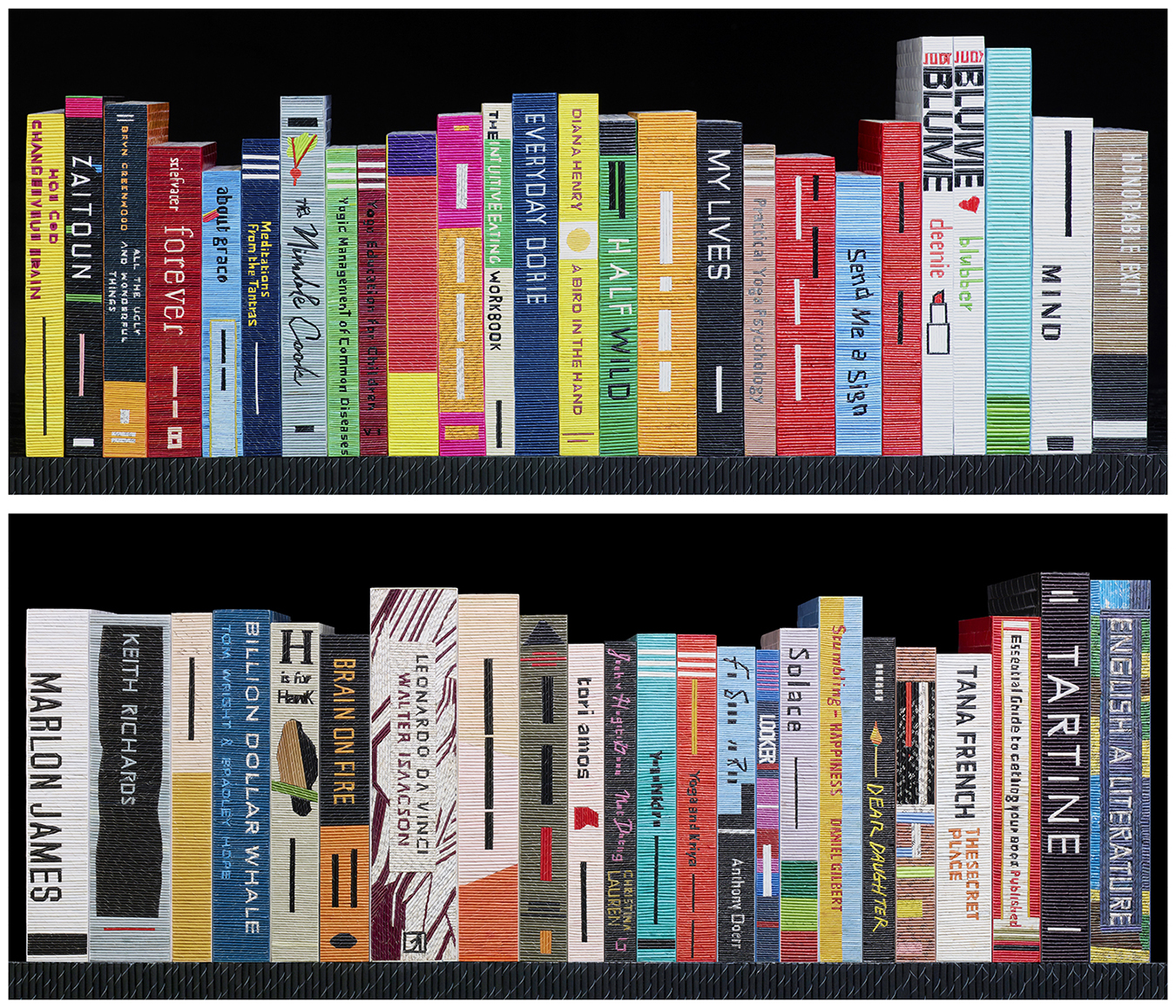
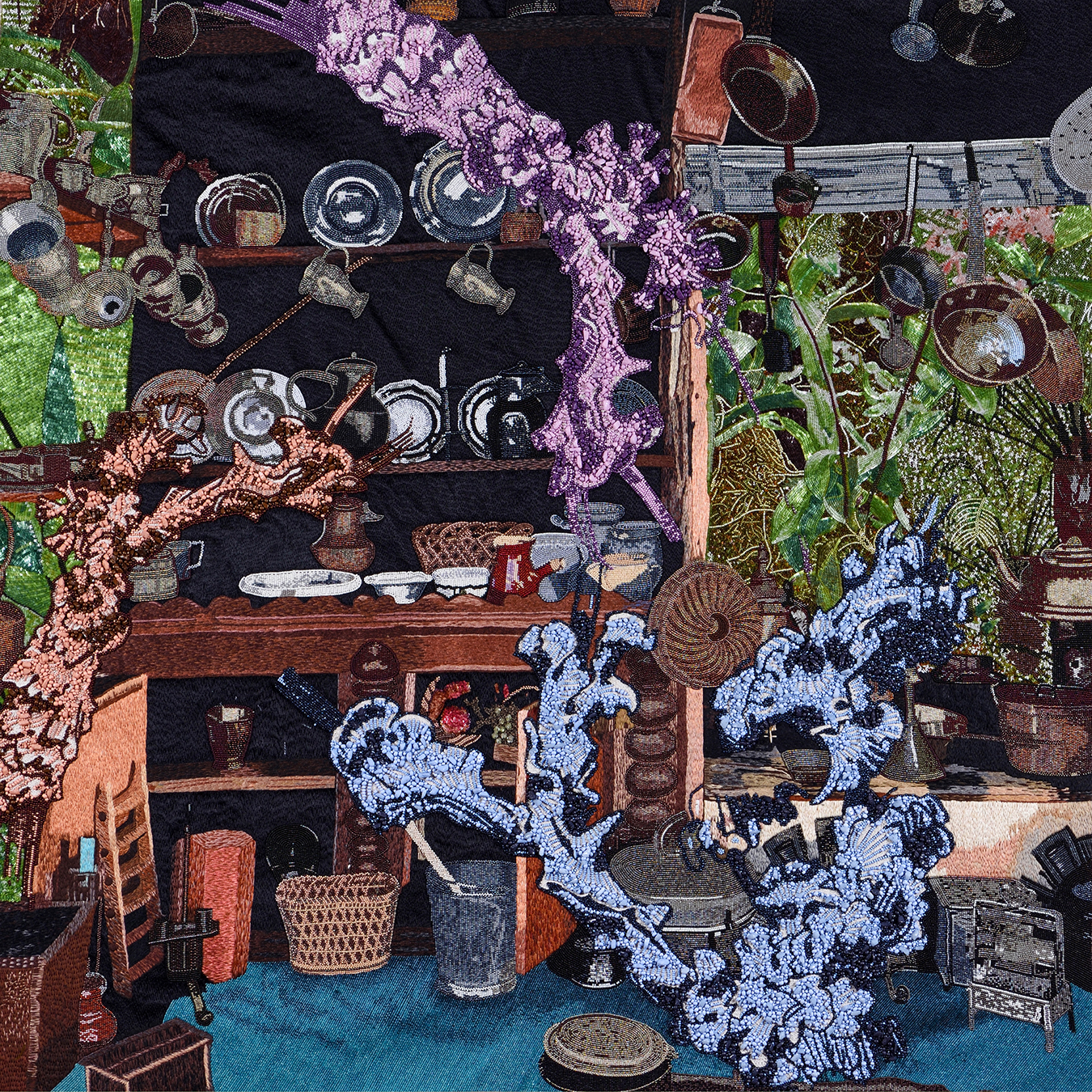
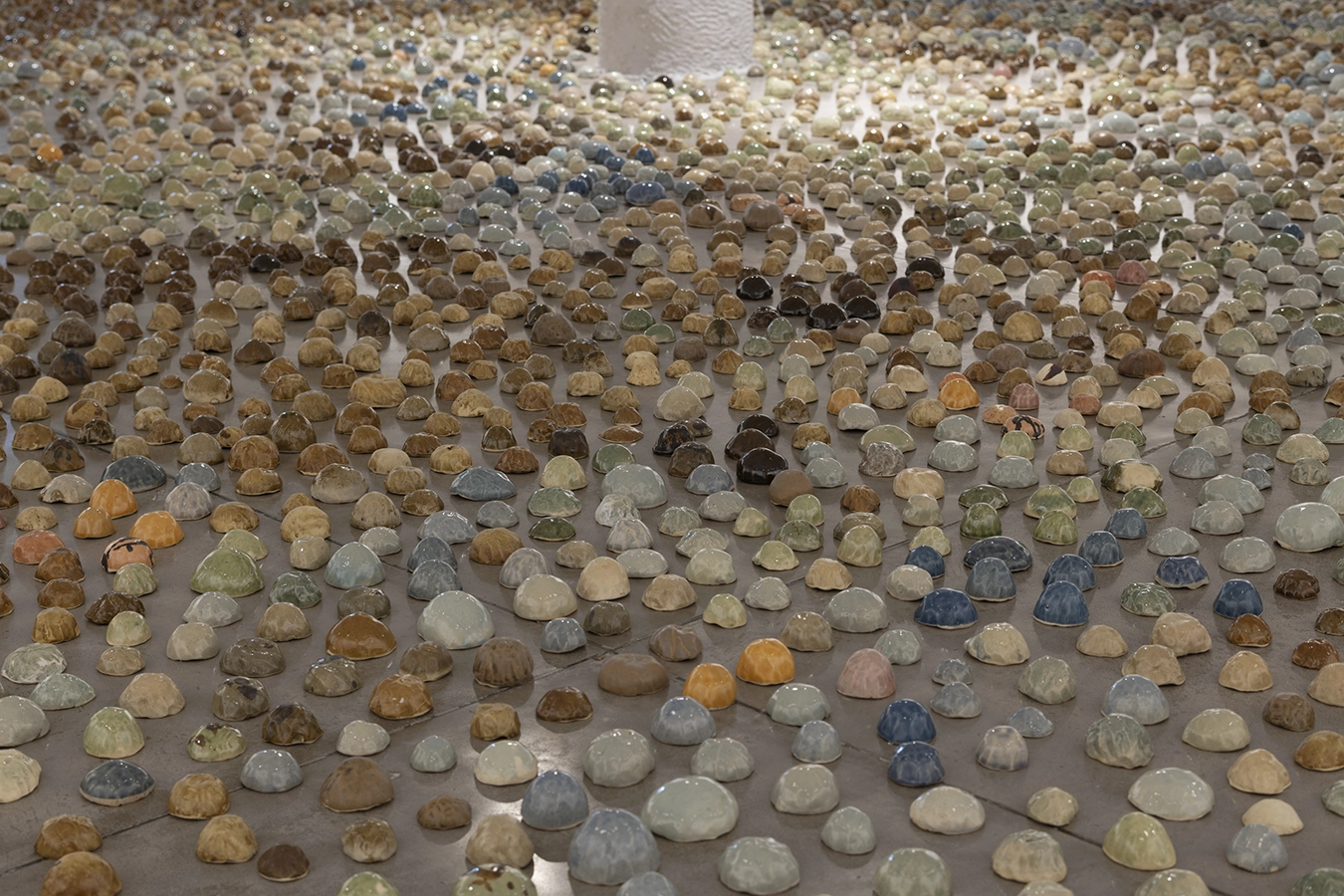
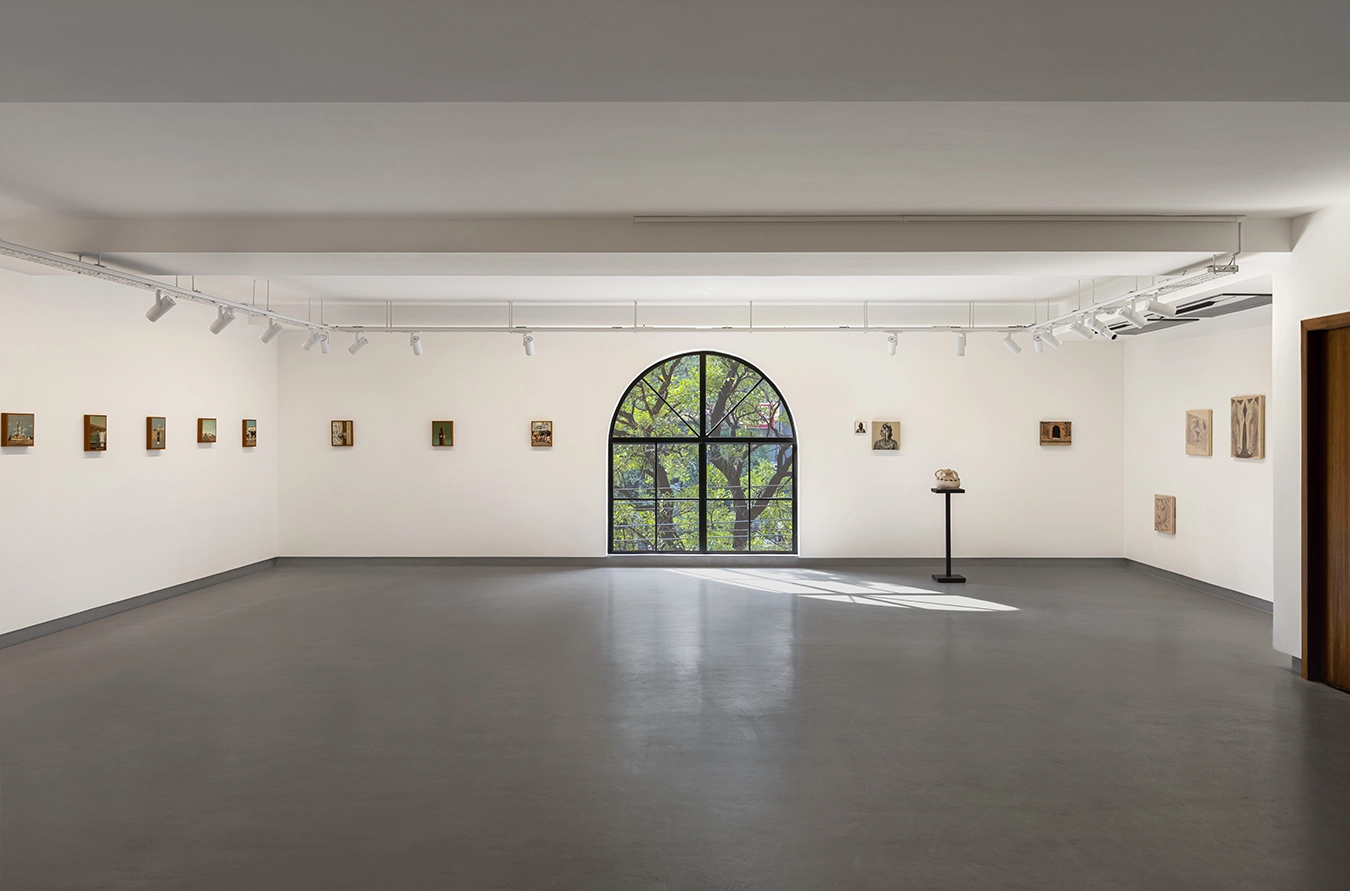
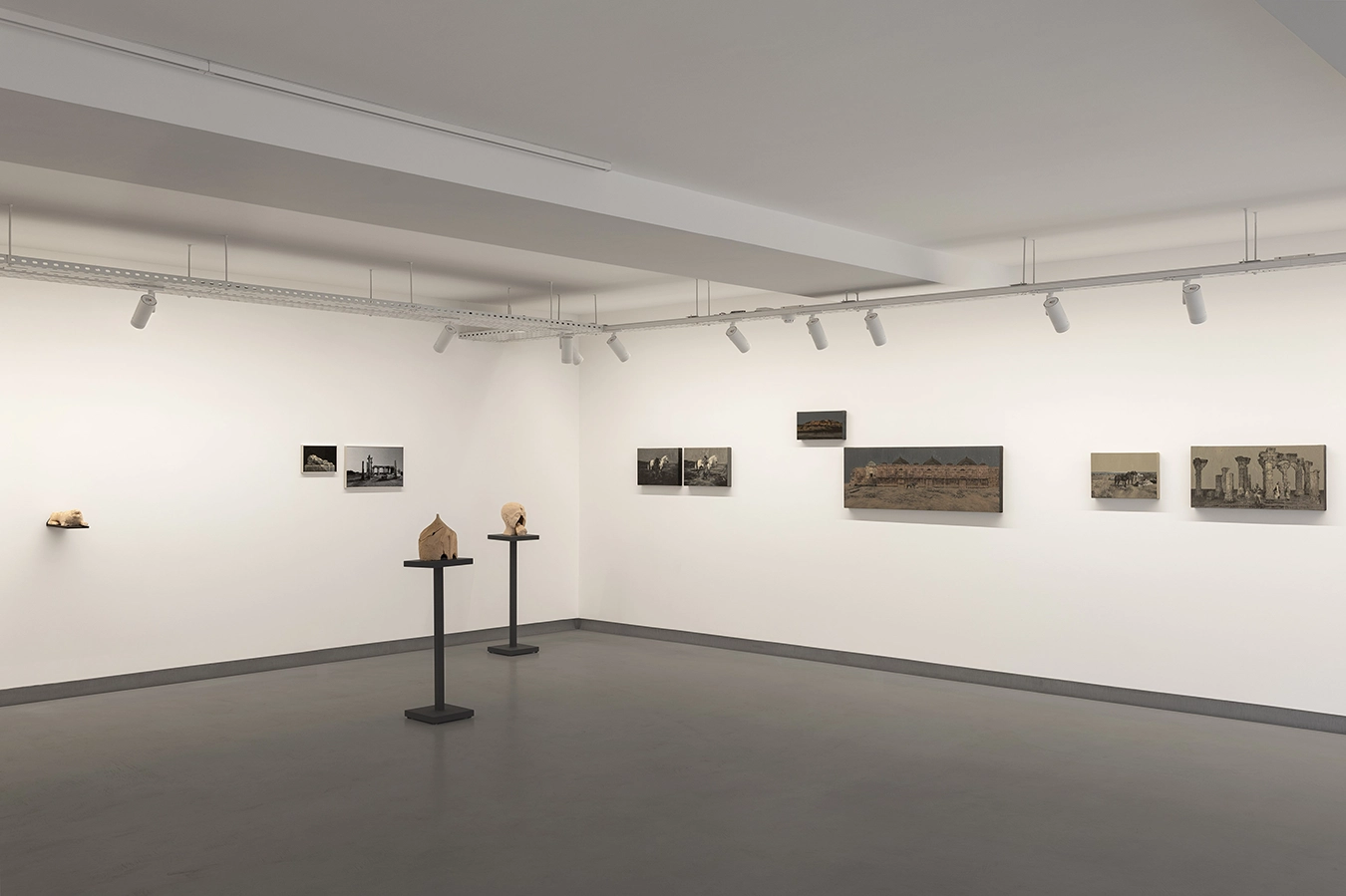
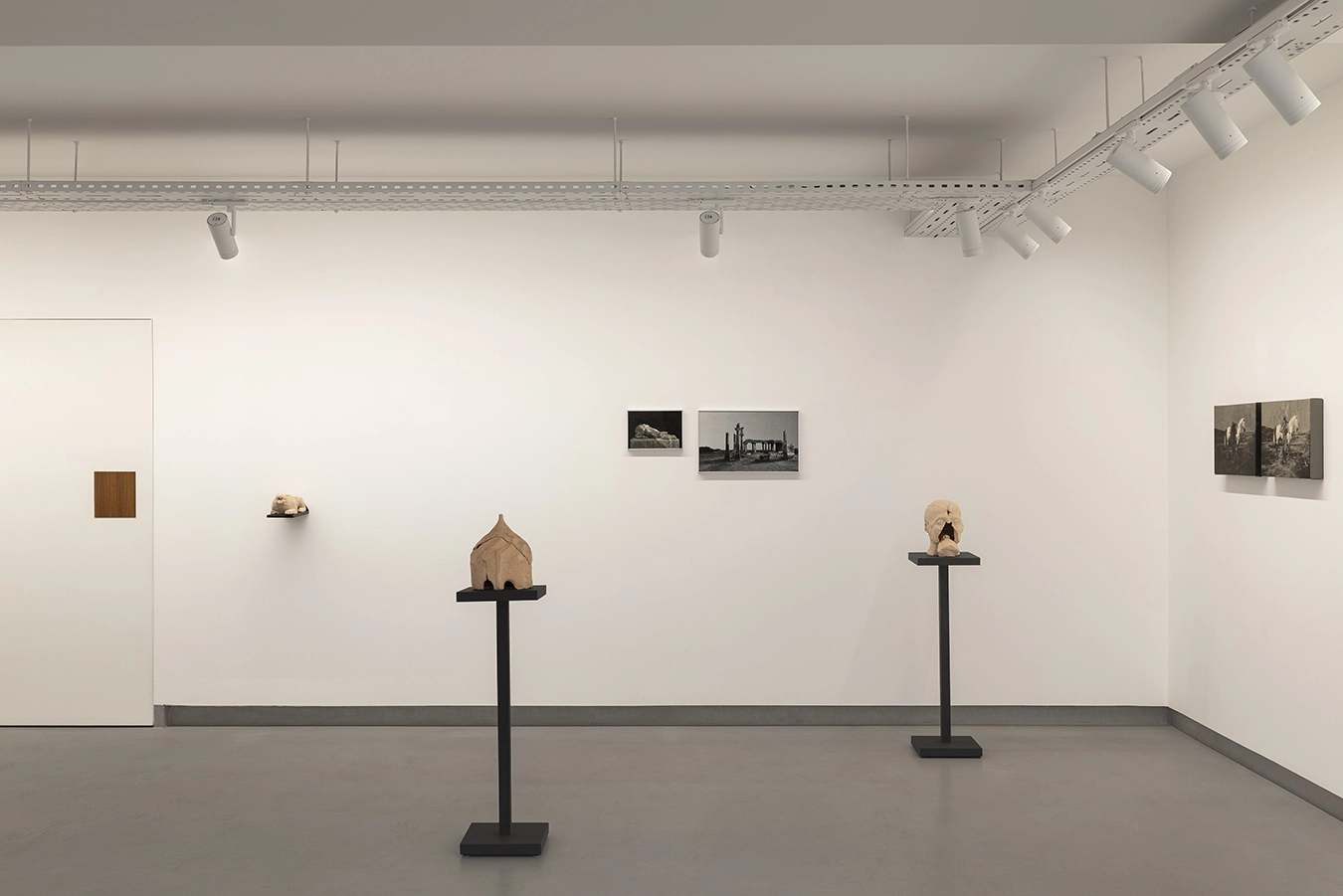
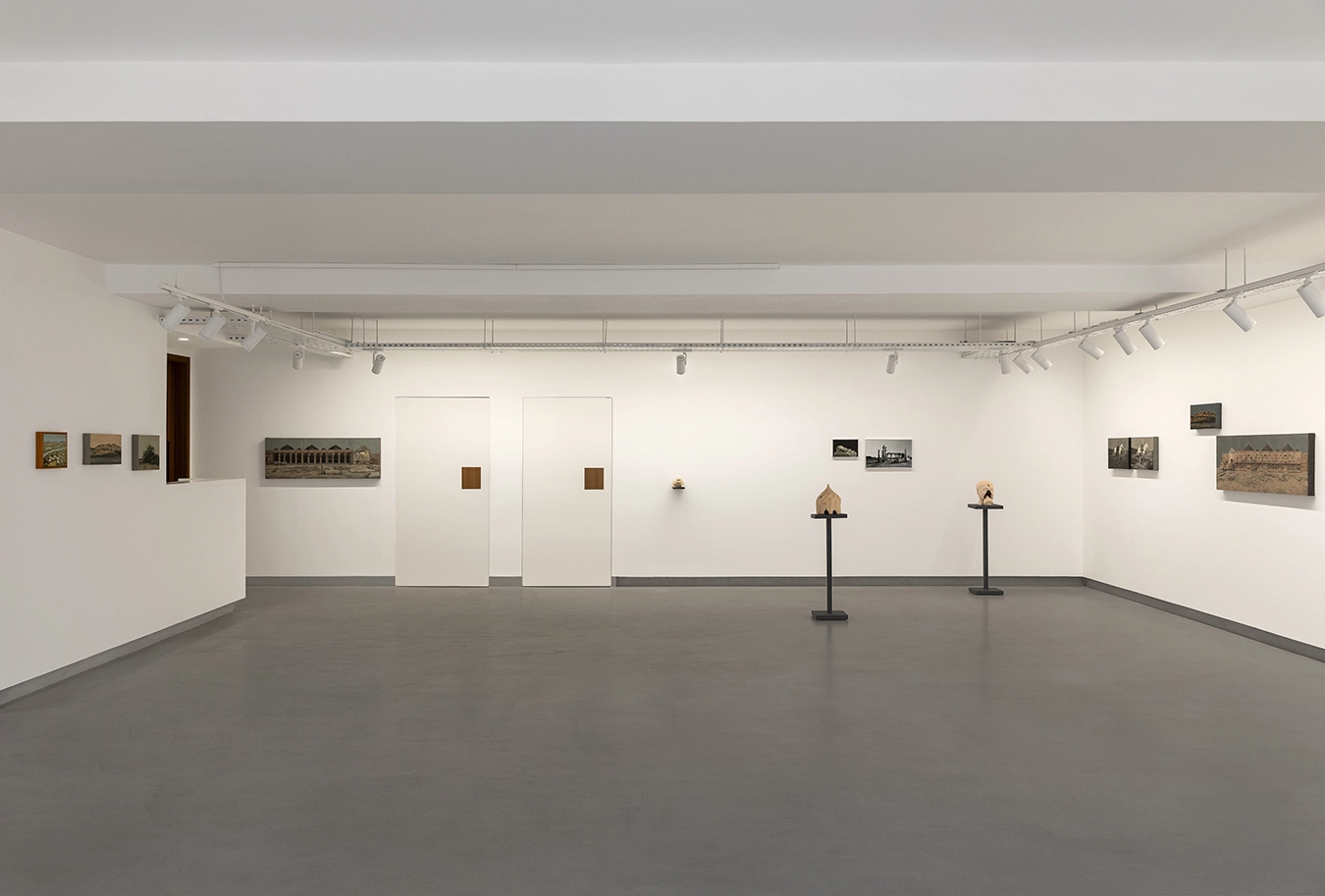
When does one revisit an archaeological site? When does speculation begin and nostalgia end? Can meaning exhaust and history die? These questions linger at the edges of Glyphs. The exhibition turns to the figure of the glyph as an inscribed sign that once carried authority within stone, surface, or speech. What becomes of such marks when the structures that sustained their meaning begin to withdraw? What happens when the language that held them together survives only in fragments? From personal archives to sites of historical ruins, the impulse to return to these conditions often emerges when the present begins to feel uncertain, even eerie.
The eerie here recalls the condition described by Mark Fisher: a sensation produced by the strange interplay of absence and presence, when something appears where nothing should be, or when something that ought to be there is missing. Ruins, abandoned buildings, and forgotten archives carry precisely this quality. They hold traces of lives and meanings, yet the agents who produced them are no longer present to account for them. Revisiting such places and stories becomes less an act of nostalgia than a way of negotiating this gap; an attempt at recognition.
Stories, monuments, and images are not passive records. They are often designed to stabilise: to fix identity, anchor memory, and hold a narrative in place. Over time, these forms accumulate symbolic authority, shaping how collective narratives are perceived and remembered. Yet the same surfaces that appear fixed can reveal marks of erasure, and reinterpretation.
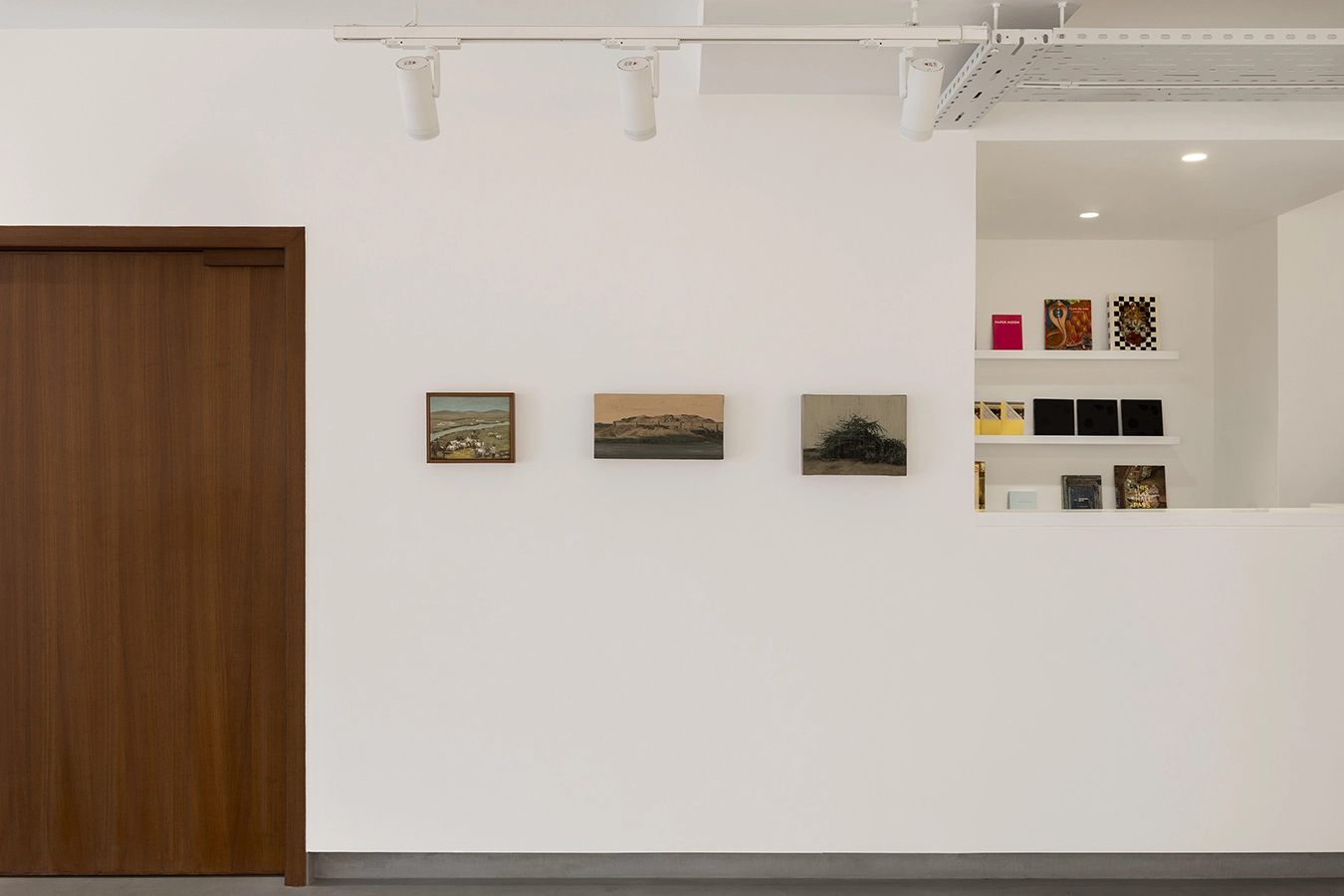
It is within this tension that Ali Akbar P N works. Through sustained documentation, archival research, and imaginative reconstruction, he brings the Gujarat Coast into dialogue with the Malabar Coast, two parallel geographies bound by centuries of trade, migration, and cultural exchange. These coastal worlds once formed part of an extended cultural network across the Arabian Sea; Gujarati merchants and Mappila sailors moved along these routes carrying textiles, spices, and stories between ports such as Cambay and Kozhikode. Today, however, they exist within markedly different social climates and, in some instances, a studied neglect.
If monuments and images attempt to stabilise memory, fixing it into stone, bronze, or the still frame of the archive, oral histories often move in the opposite direction. They circulate through voices, gestures, pauses, passing from one body to another. In this movement, memory refuses closure. It drifts, alters, and gathers sediment, allowing details to shift depending on who speaks and who listens. This is the condition Tarika Sabherwal’s work inhabits.
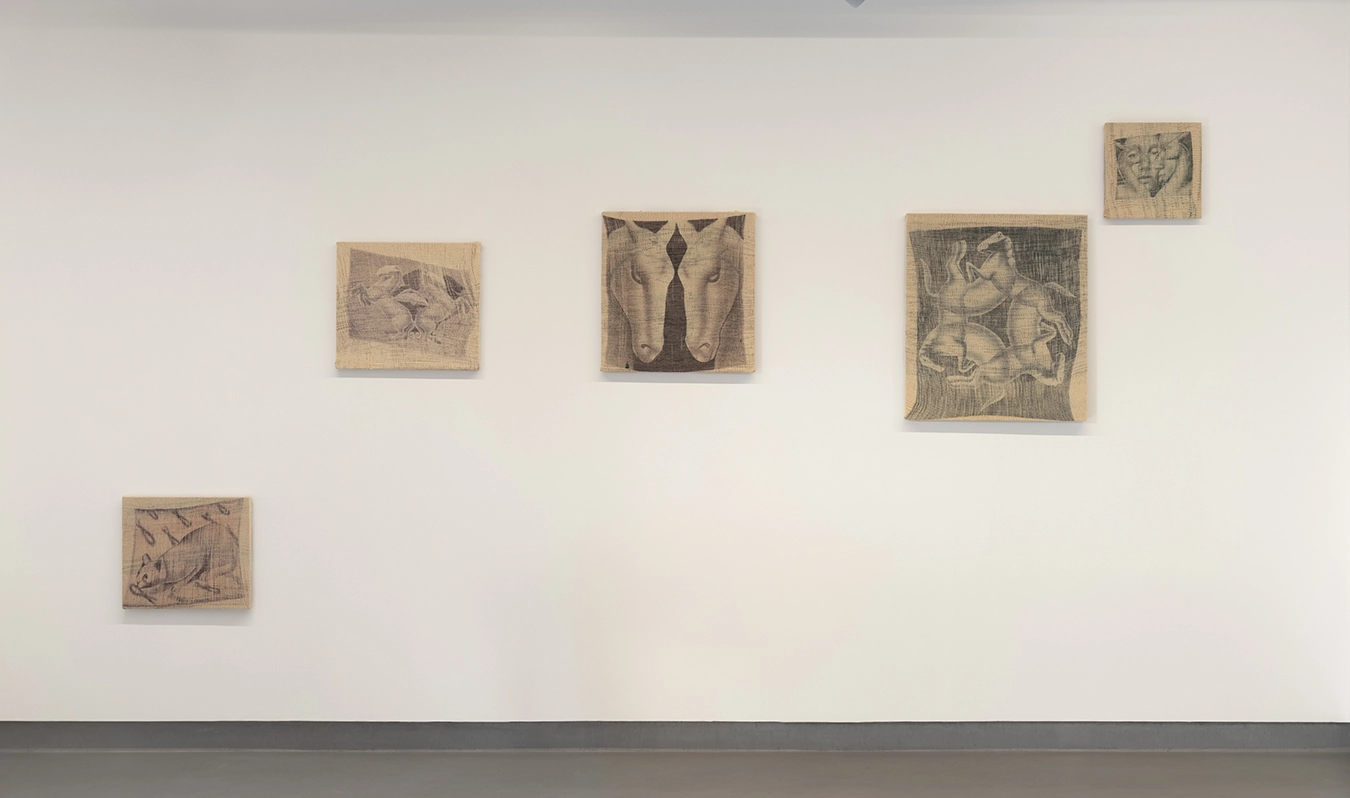
Her surreal imagery is drawn from communal anecdotes and mythological tales. Her canvases begin to resemble baskets of stories, porous yet holding. In this sense her practice echoes Ursula K. Le Guin’s Carrier Bag Theory of Fiction, which imagines storytelling not as a heroic act of conquest but as a container for what has been gathered and carried forward.Yet Sabherwal’s paintings also unravel this container. In this sense, she allows memory to remain suspended, much like her canvases where she uses additive and reductive painting processes until they become diaphanous, like images hovering between presence and dissolution.
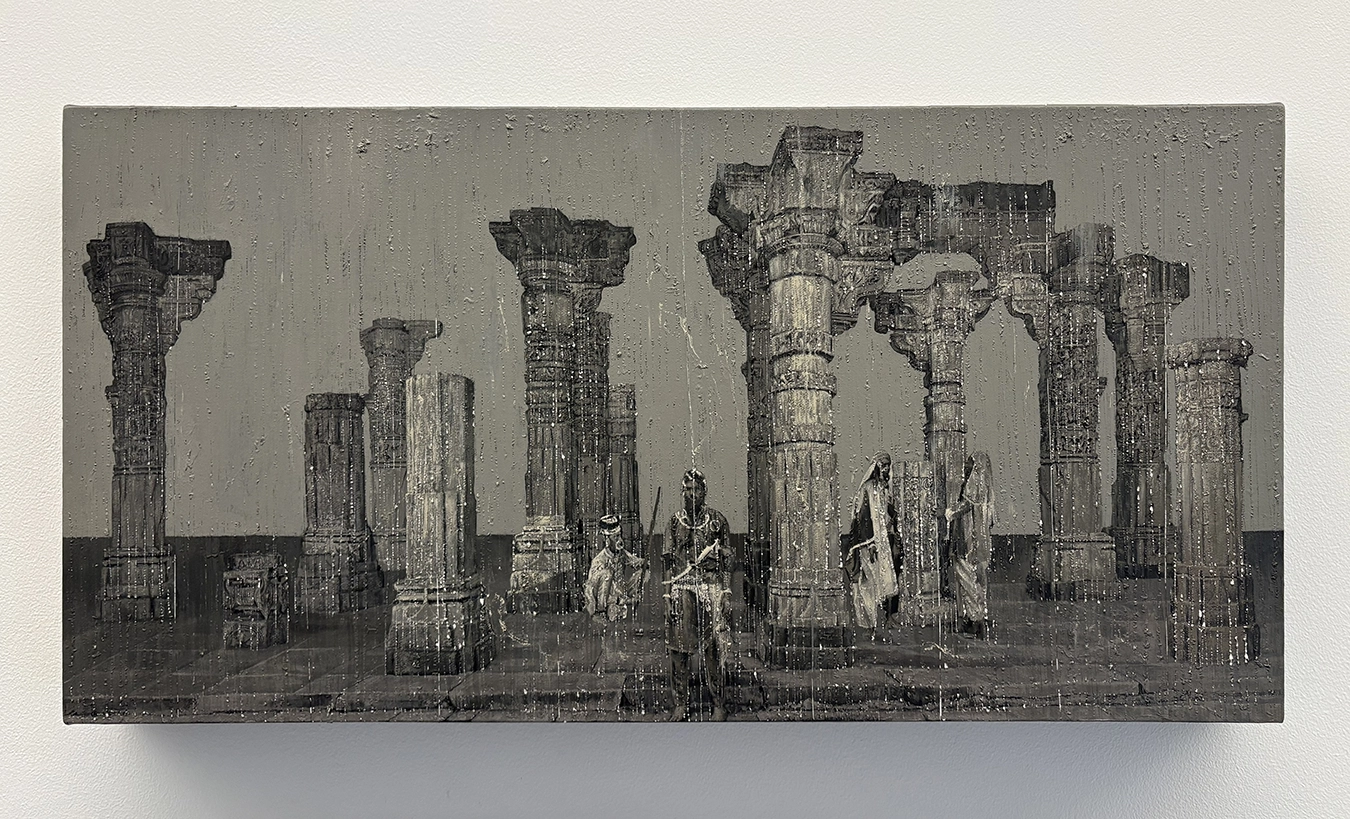
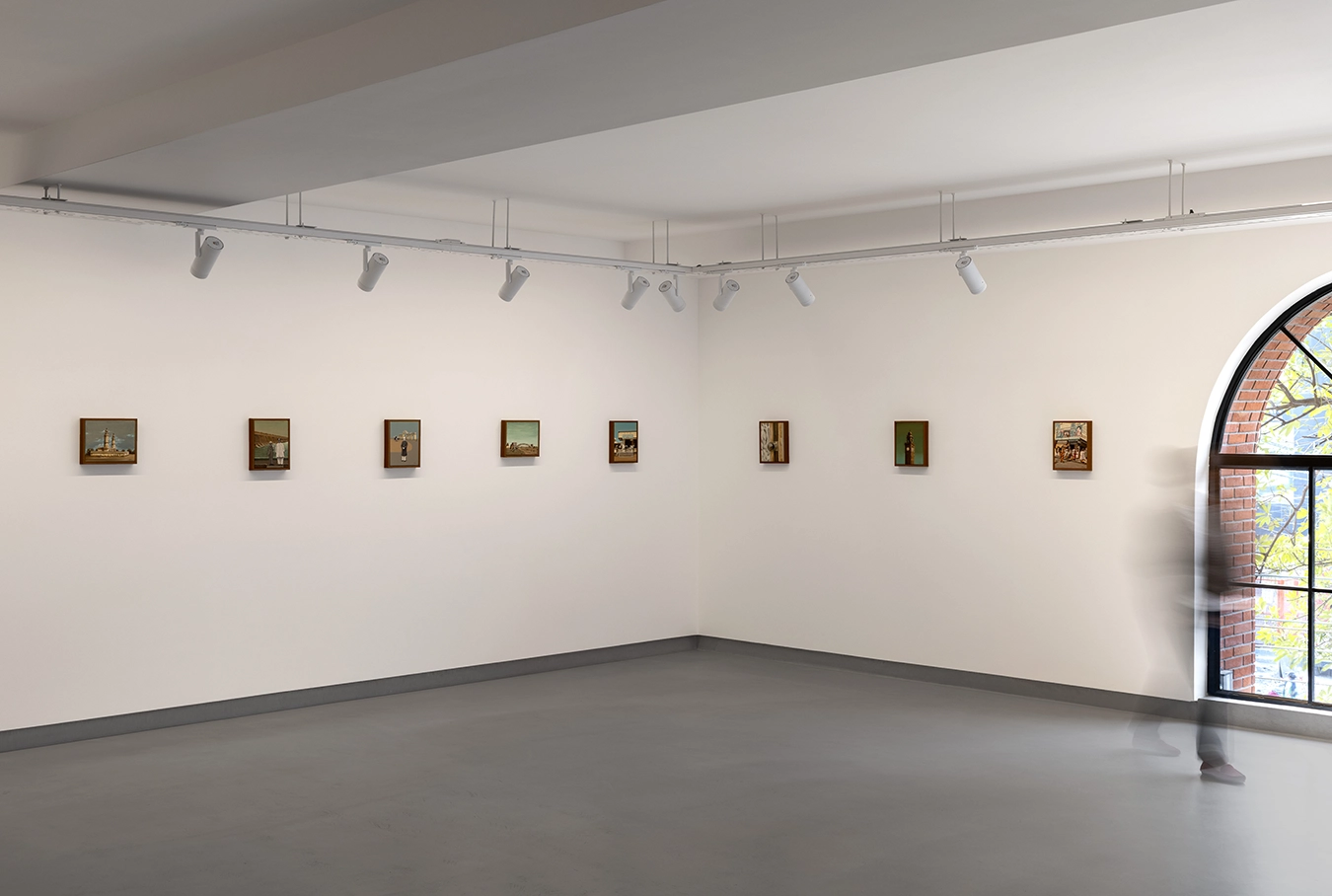
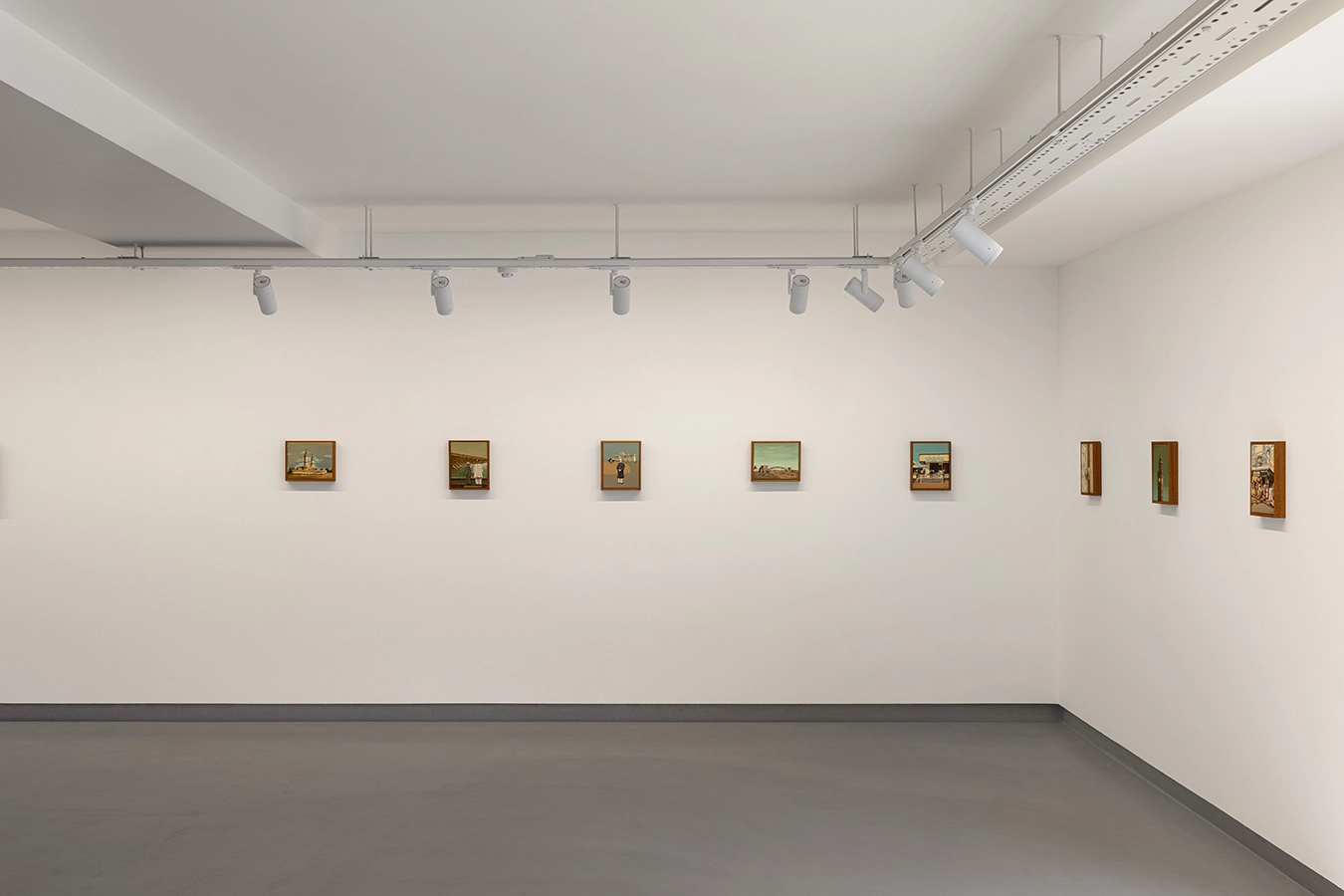
A similar suspension of time appears in the work of Suchender P, though it unfolds through the changing landscape of Mysore. He diverts attention to the shifts through which a city remakes its own signs over time. Through documentation that moves between the evidentiary and the fictional, he revisits historical details which quietly re-script the visual language of the city. In this body of work he uses shopfronts, ornamental details of colonial-era municipal buildings, and topographical sites as a way to map his own memory of Mysore. The paintings register these changes as a slow alteration of backdrop: the city continuing to build over itself while earlier surfaces fade from view.
Glyphs invites viewers to engage with history as something alive and unresolved. Through the distinct practices of Ali Akbar PN, Suchender P, and Tarika Sabherwal, the exhibition brings together three approaches to how traces of the past continue to surface in the present: through the movement of histories across geographies, through stories carried in memory, and through images that return from the archive.
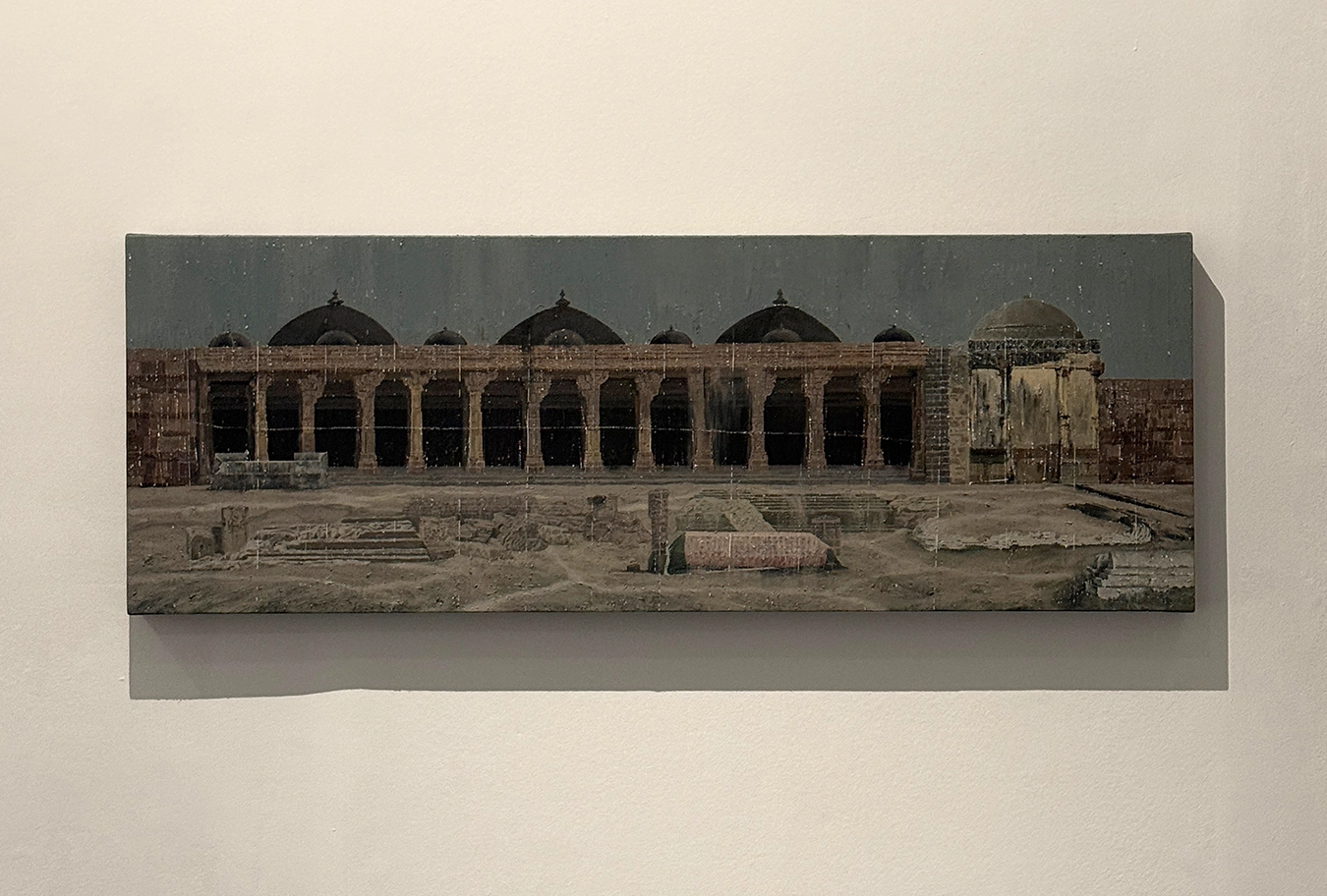
Ali Akbar PN
Immobile - The Geometry of a Wound
Acrylic, archival inkjet print on canvas
48 x 17 inches
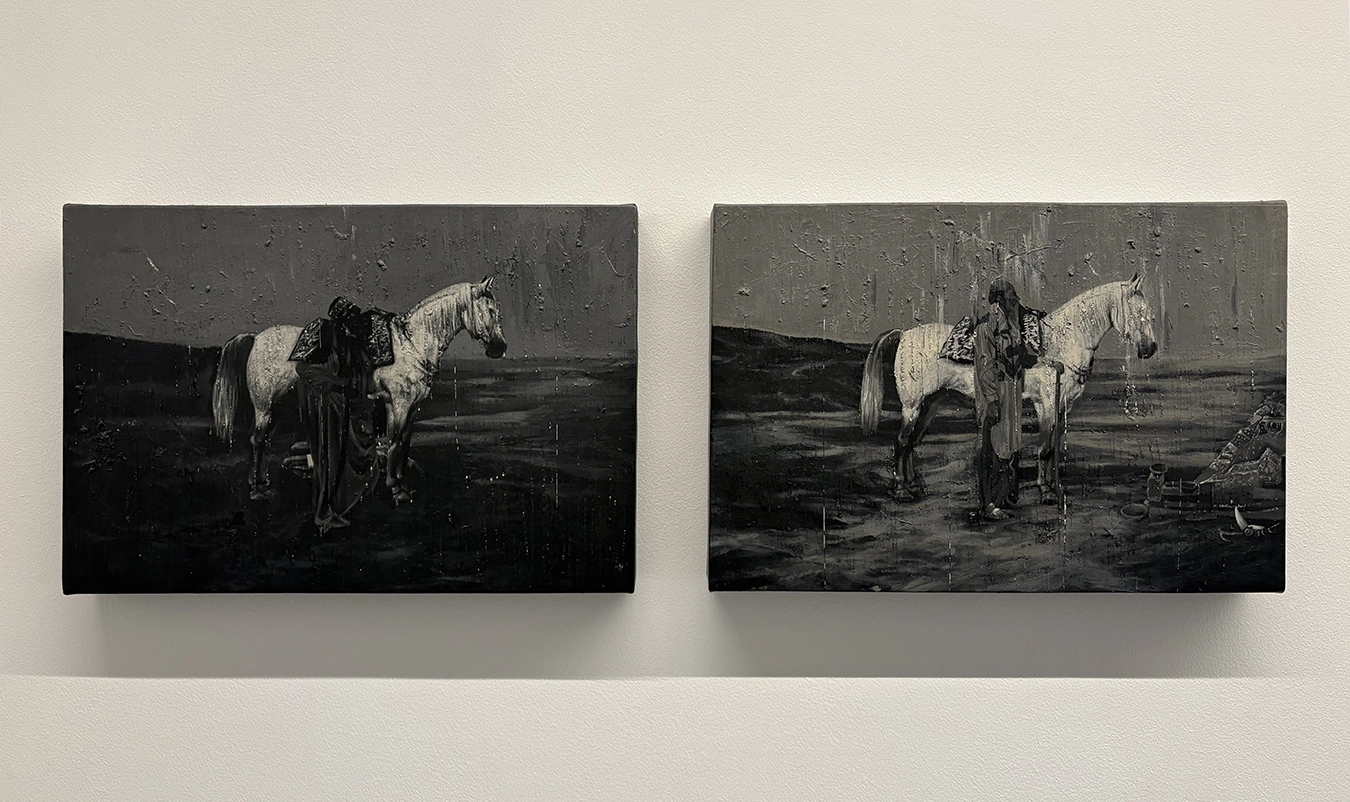
Ali Akbar PN
Qutb
Acrylic, archival inkjet print and paper on canvas
18 x 12 inches each (diptych)
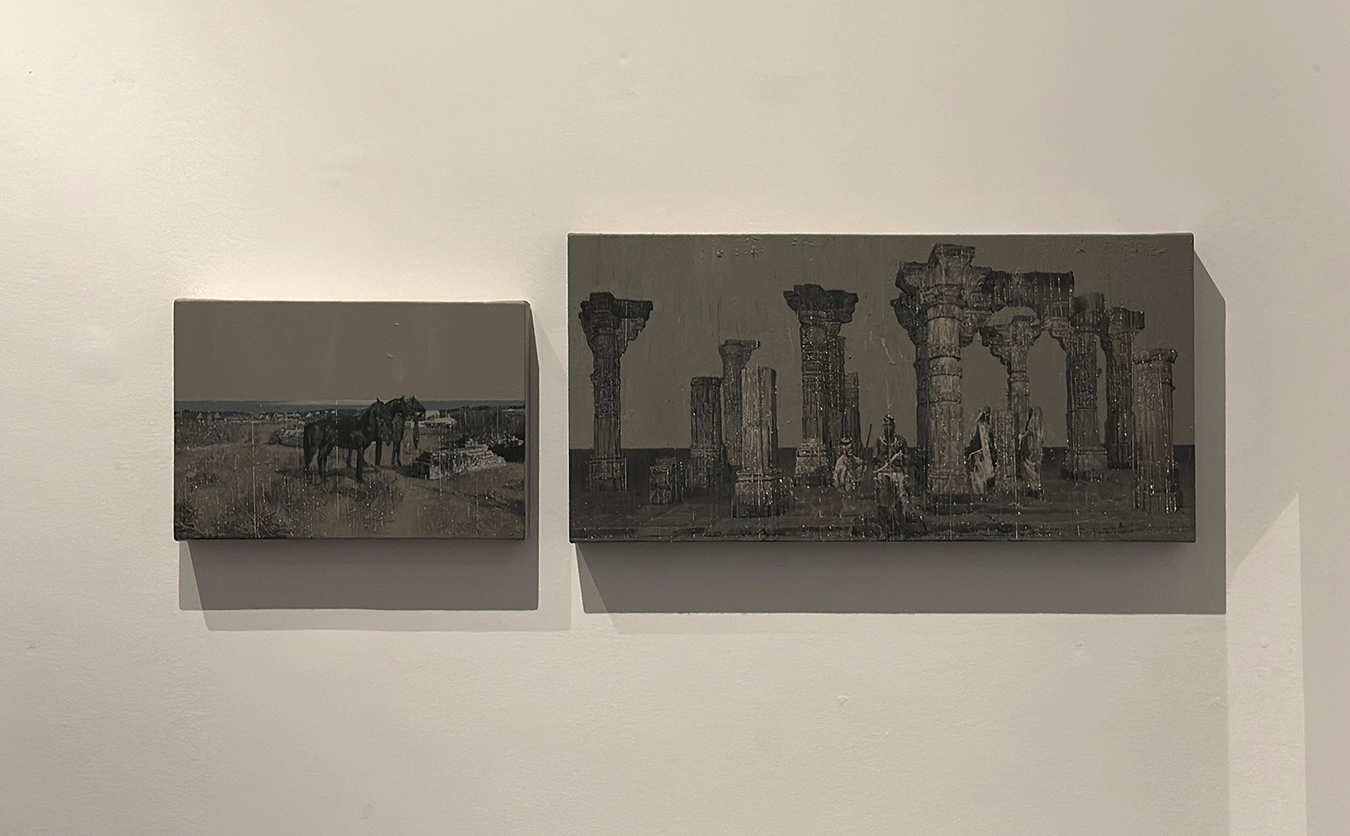
Ali Akbar PN
Left: Bahri 2
Acrylic, archival inkjet on paper and canvas
16 x 11 inches
Right: Anatomy of a surge
Acrylic, archival inkjet print and paper on canvas
28 x 14 inches
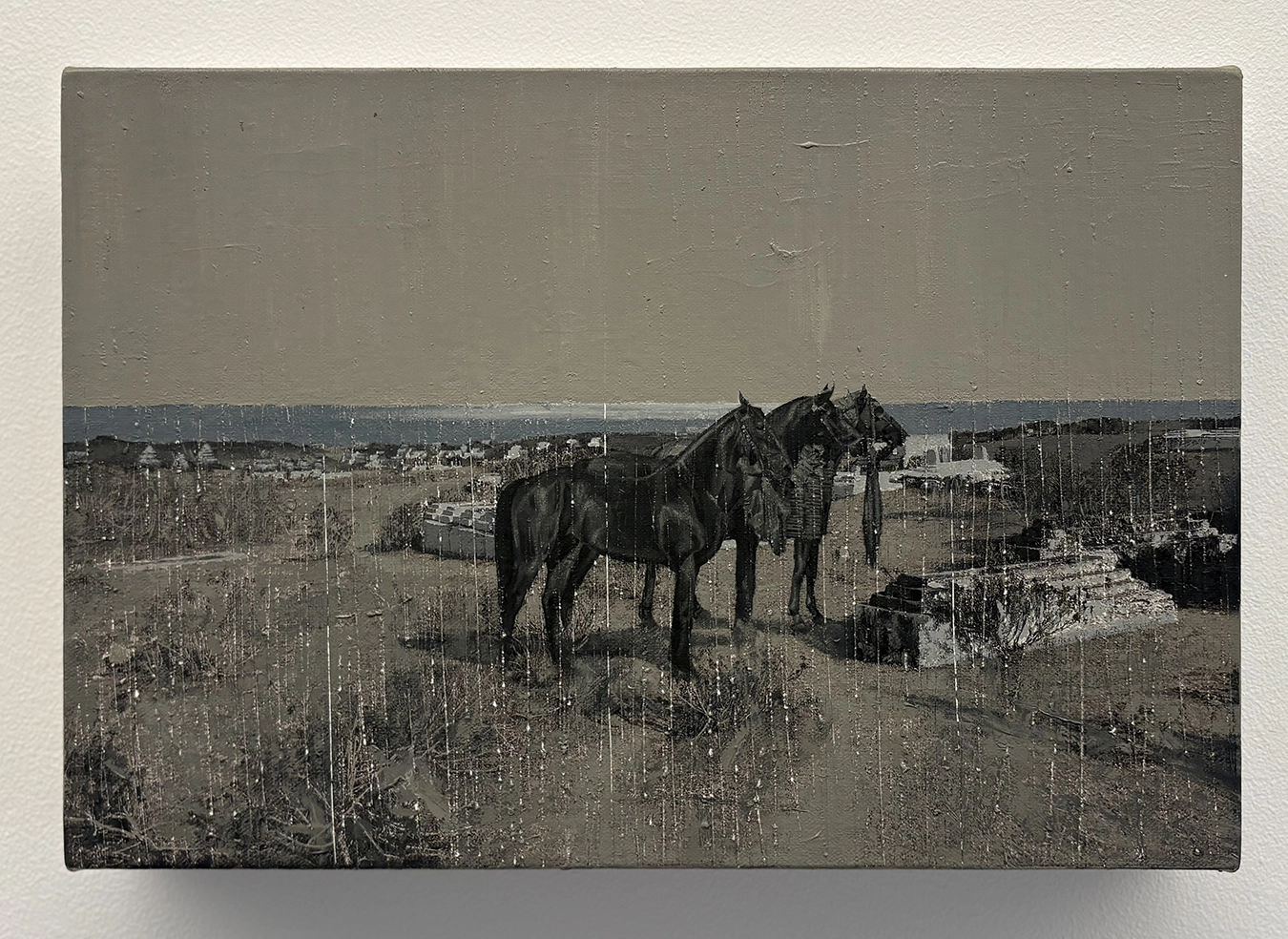
Ali Akbar PN
Bahri 2
Acrylic, archival inkjet on paper and canvas
16 x 11 inches
Ali Akbar PN
Anatomy of a surge
Acrylic, archival inkjet print and paper on canvas
28 x 14 inches
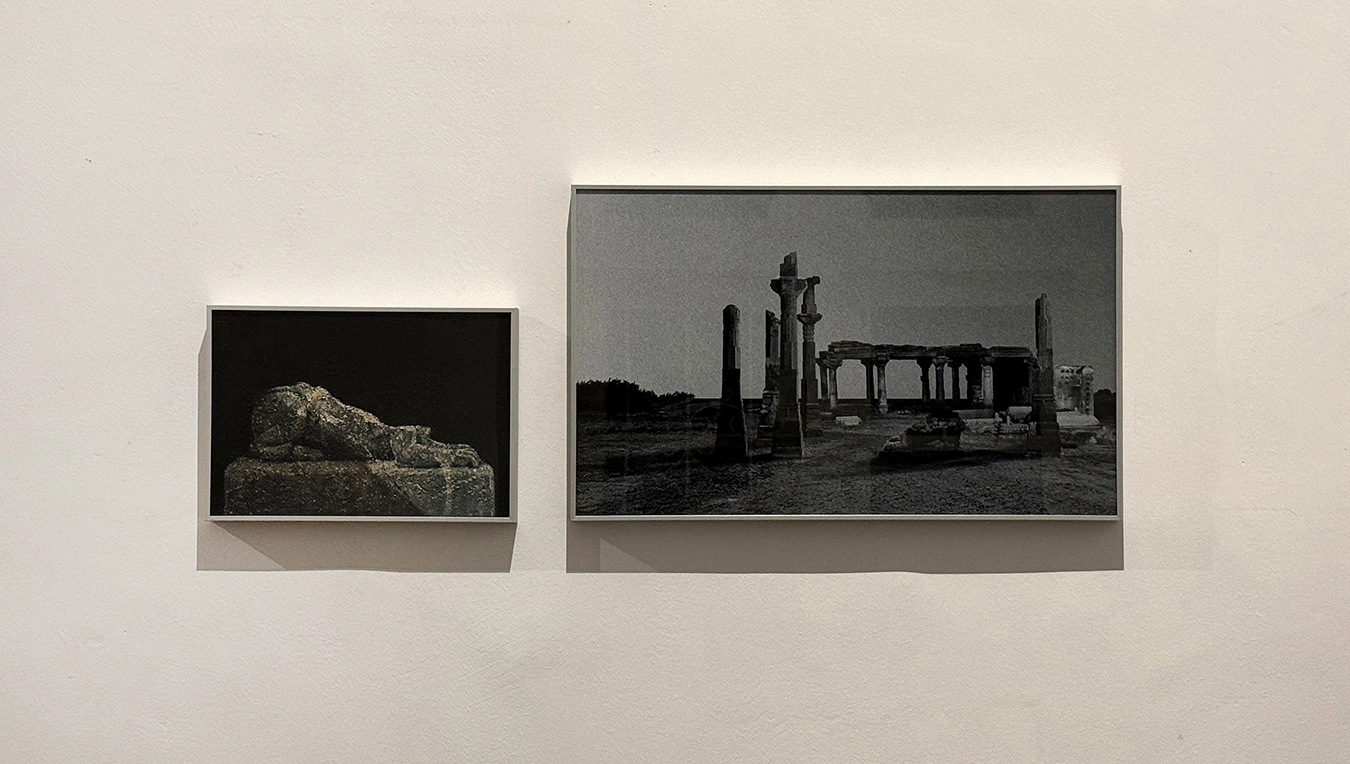
Ali Akbar PN
No Title
Left: Acrylic on paper,
11 x 8 inches
Right: Archival inkjet on paper,
20 x 12 inches
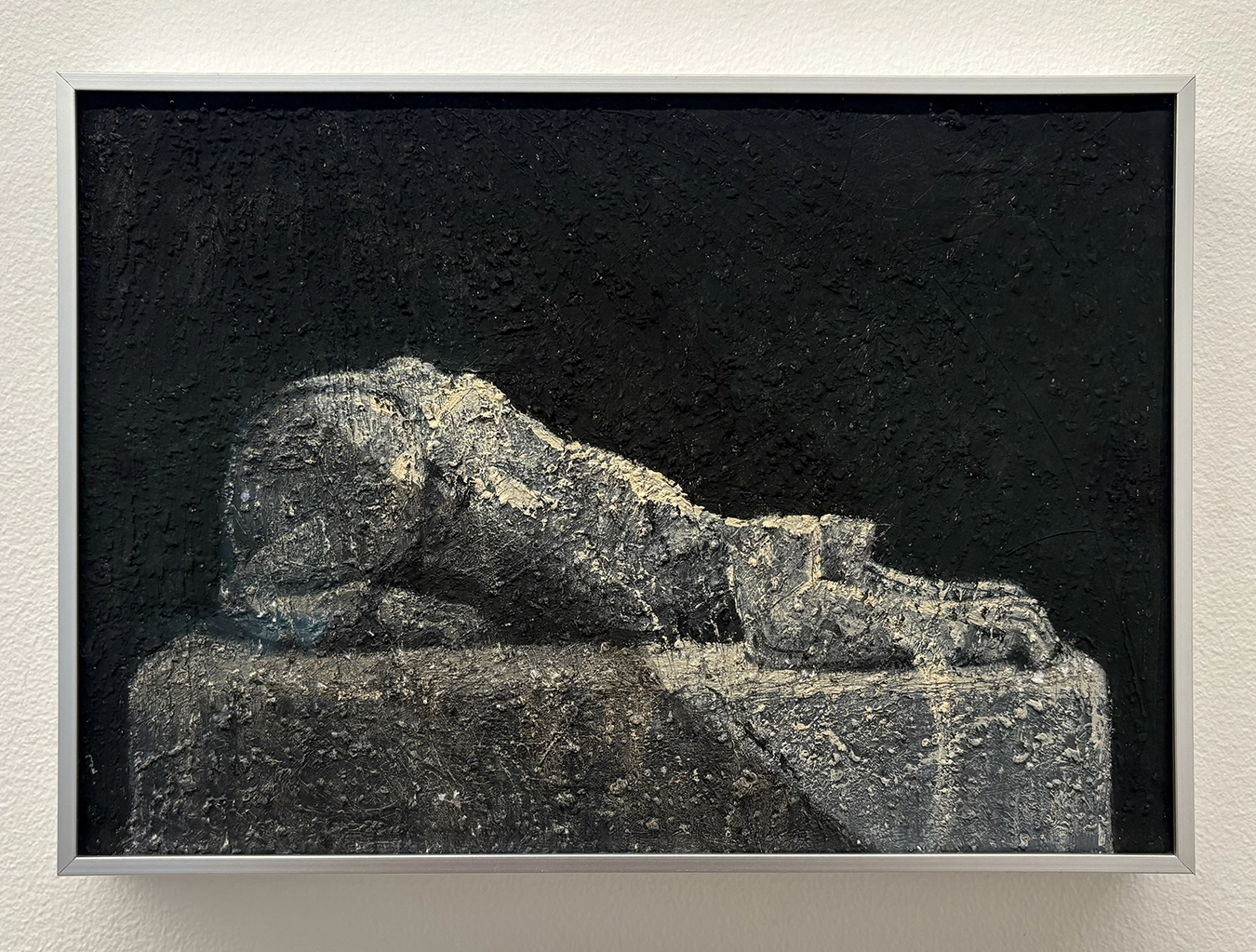
Ali Akbar PN
No Title
Left: Acrylic on paper,
11 x 8 inches
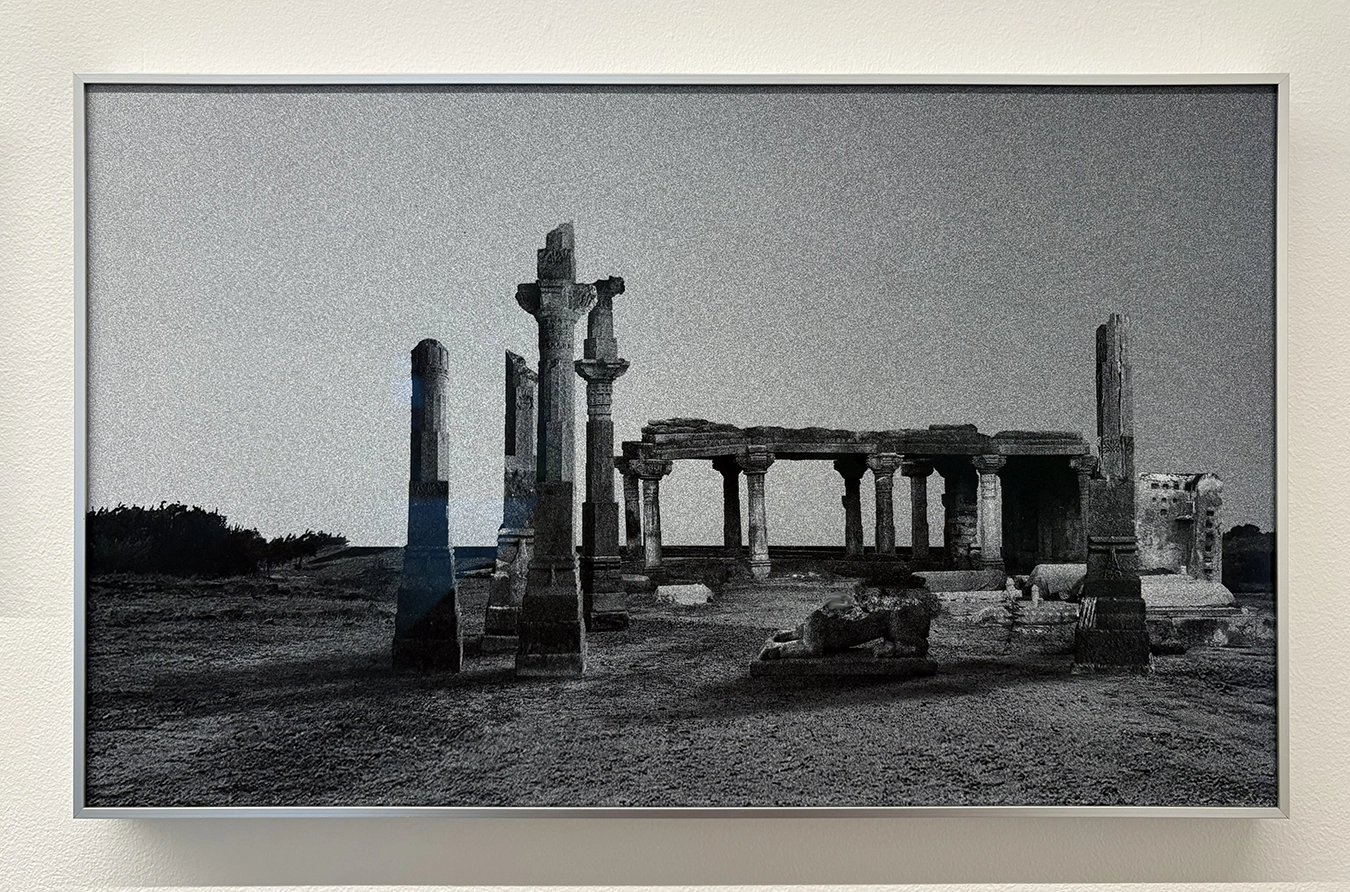
Ali Akbar PN
No Title
Archival inkjet on paper,
20 x 12 inches
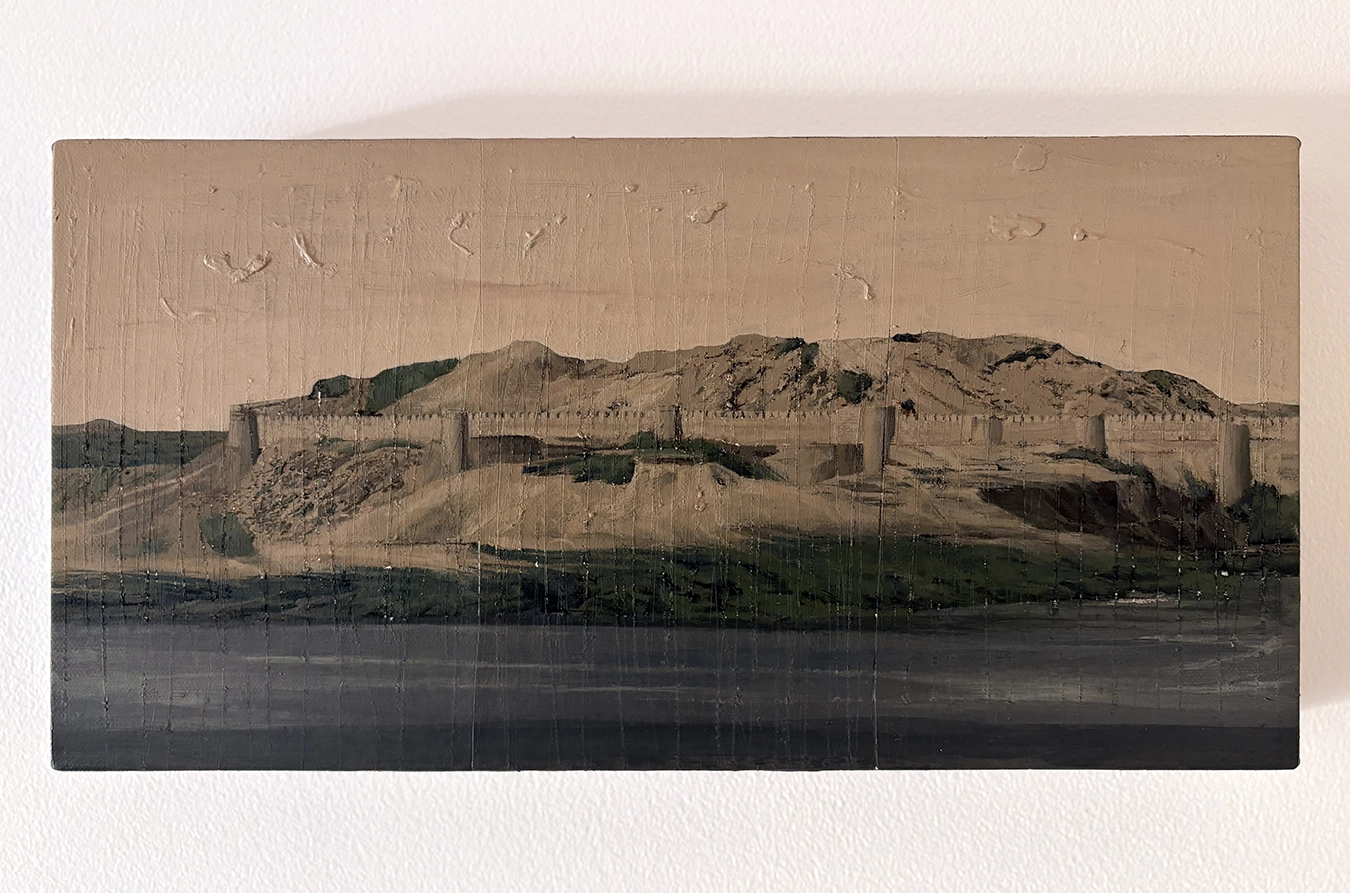
Ali Akbar PN
No Title
Acrylic on Canvas
16 x 8 inches
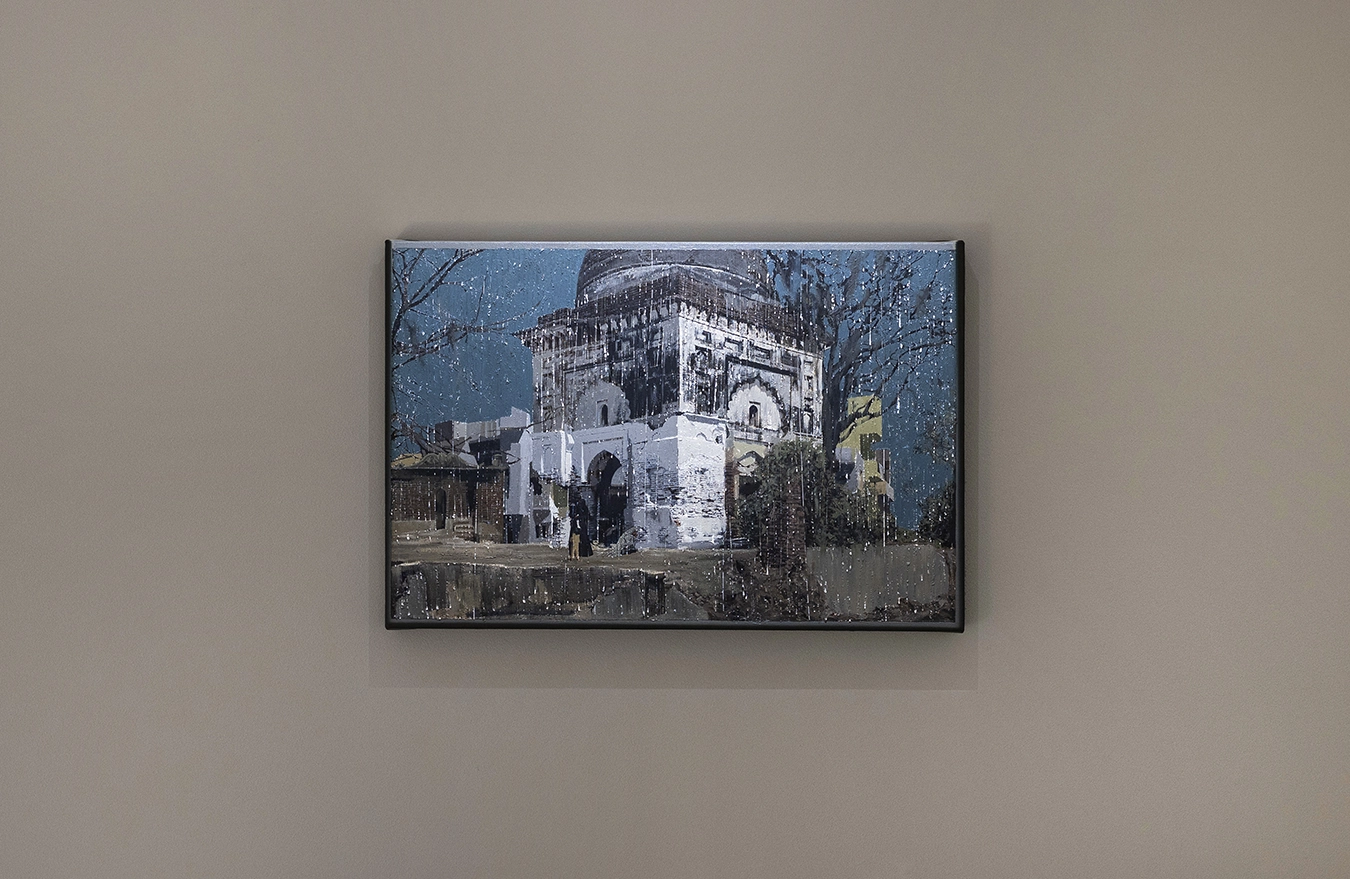
Ali Akbar PN
A Breath against the skin of night
Acrylic, Archival Inkjet Print and Paper on Canvas
24 x 16 inches
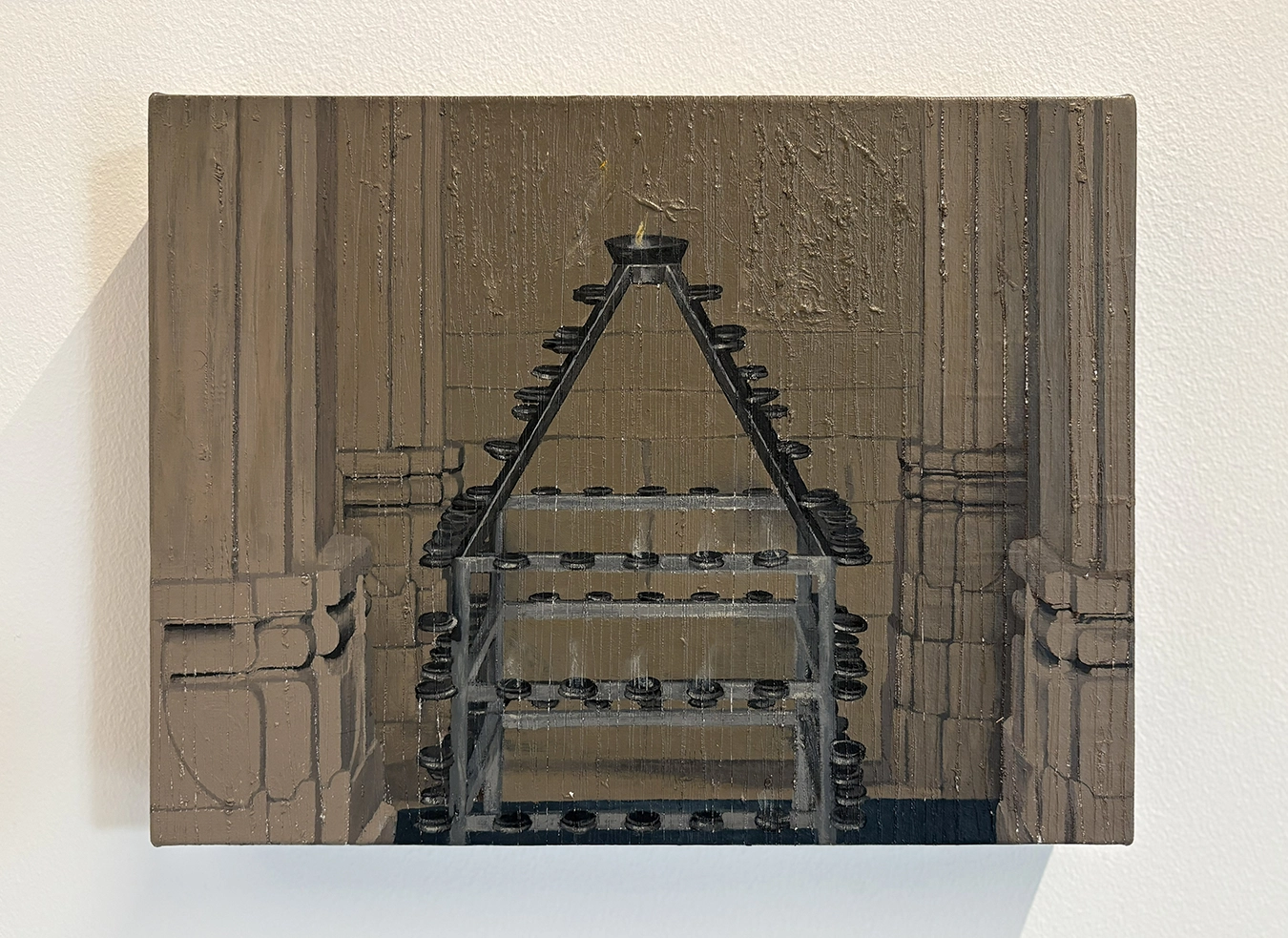
Ali Akbar PN
Walled City - 6
Acrylic on Canvas
13 x 10 inches
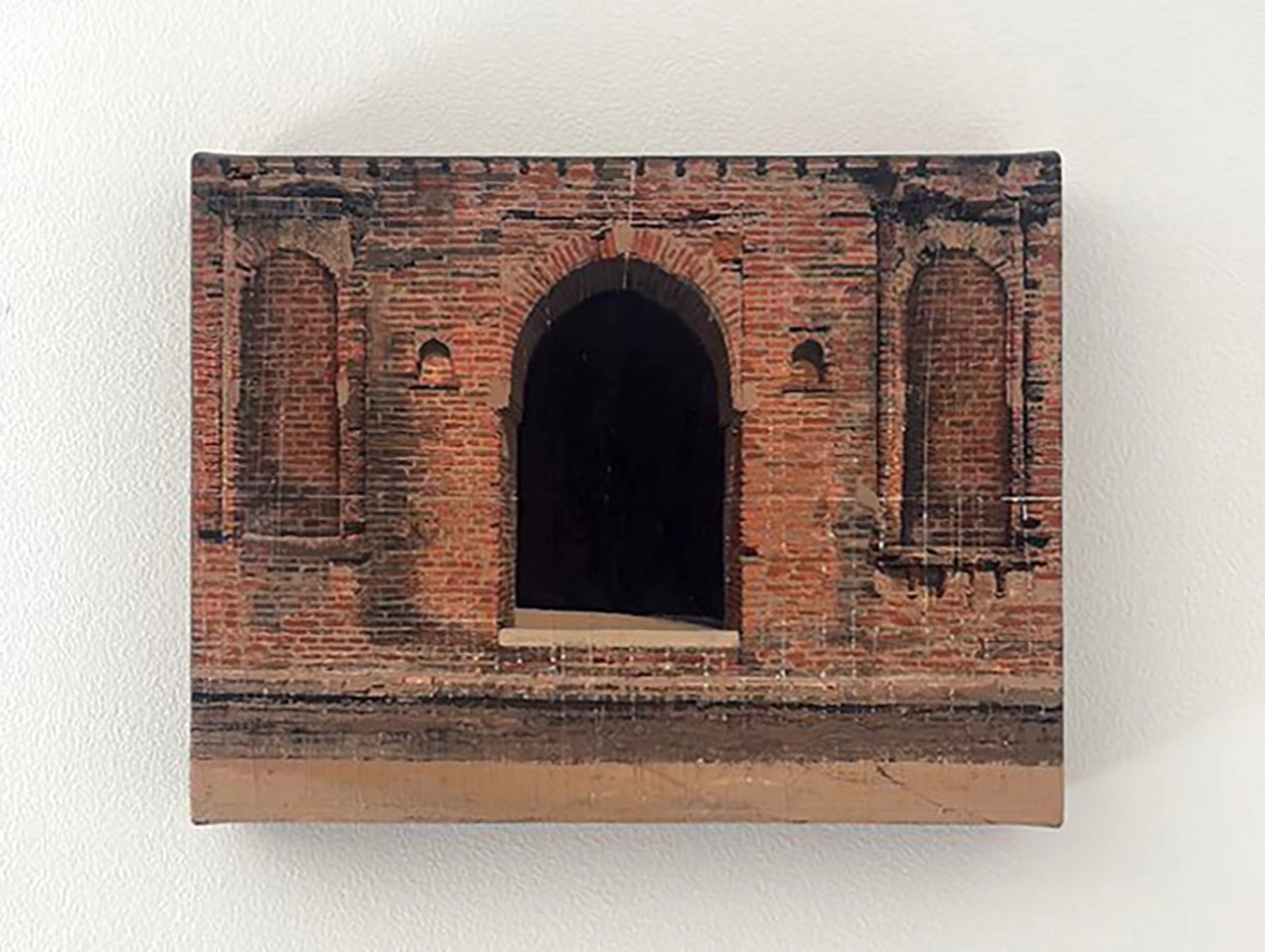
Ali Akbar PN
No Title
Acrylic, Archival Inkjet Print and Paper on Canvas
13 x 10 inches
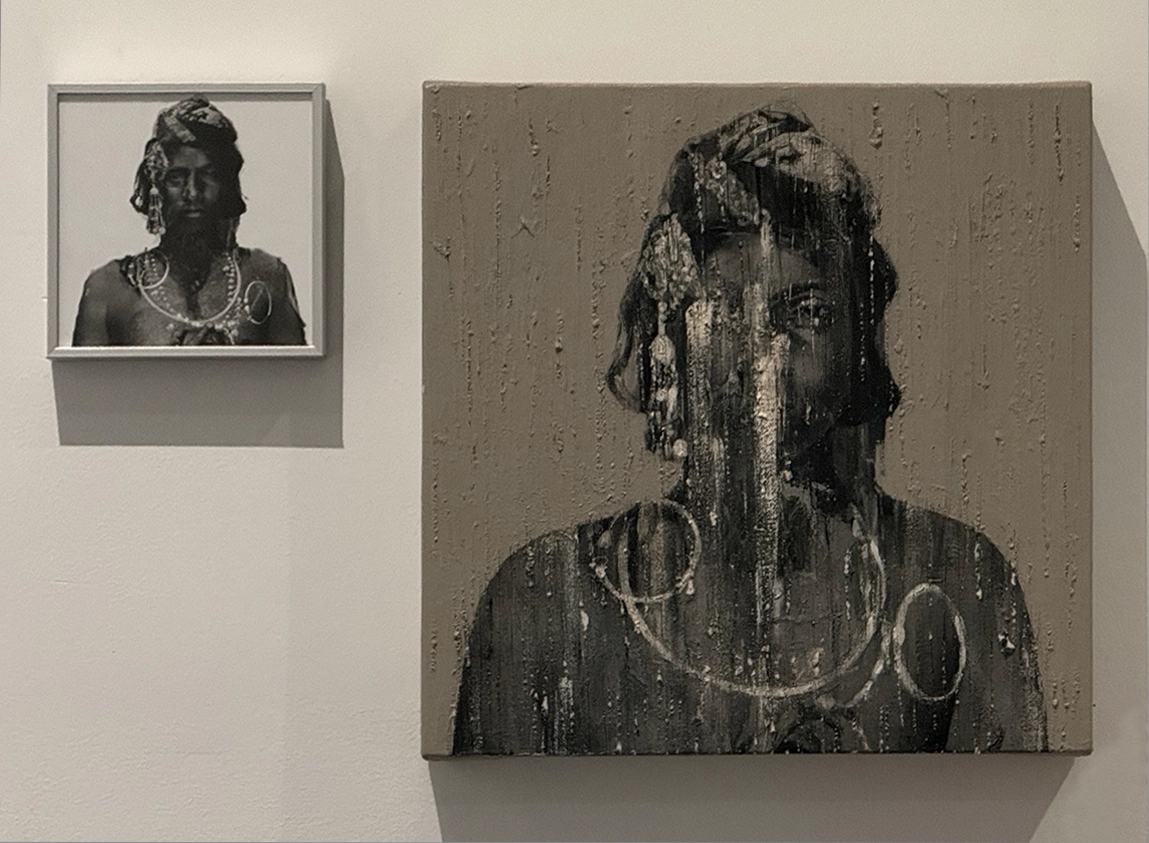
Ali Akbar PN
Pirana Pir - Bank of Sabarmati
Archival Inkjet Print on paper and canvas
5 x 5 inches and 12 x 12 inches
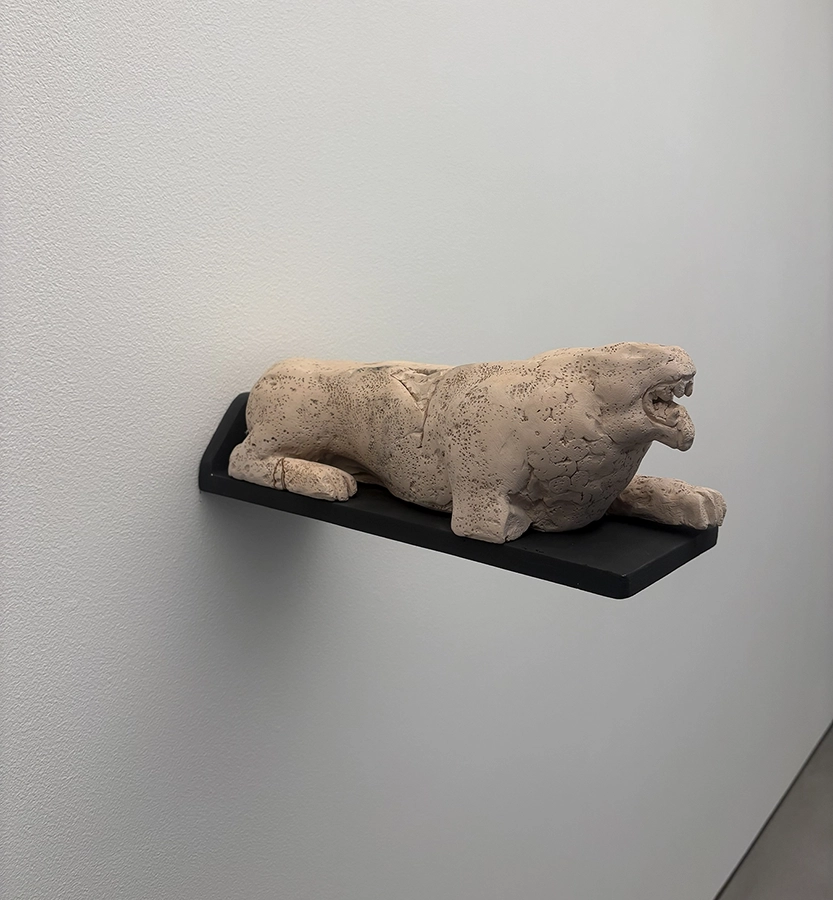
Ali Akbar PN
No Title
Clay
4.8 x 11 inches
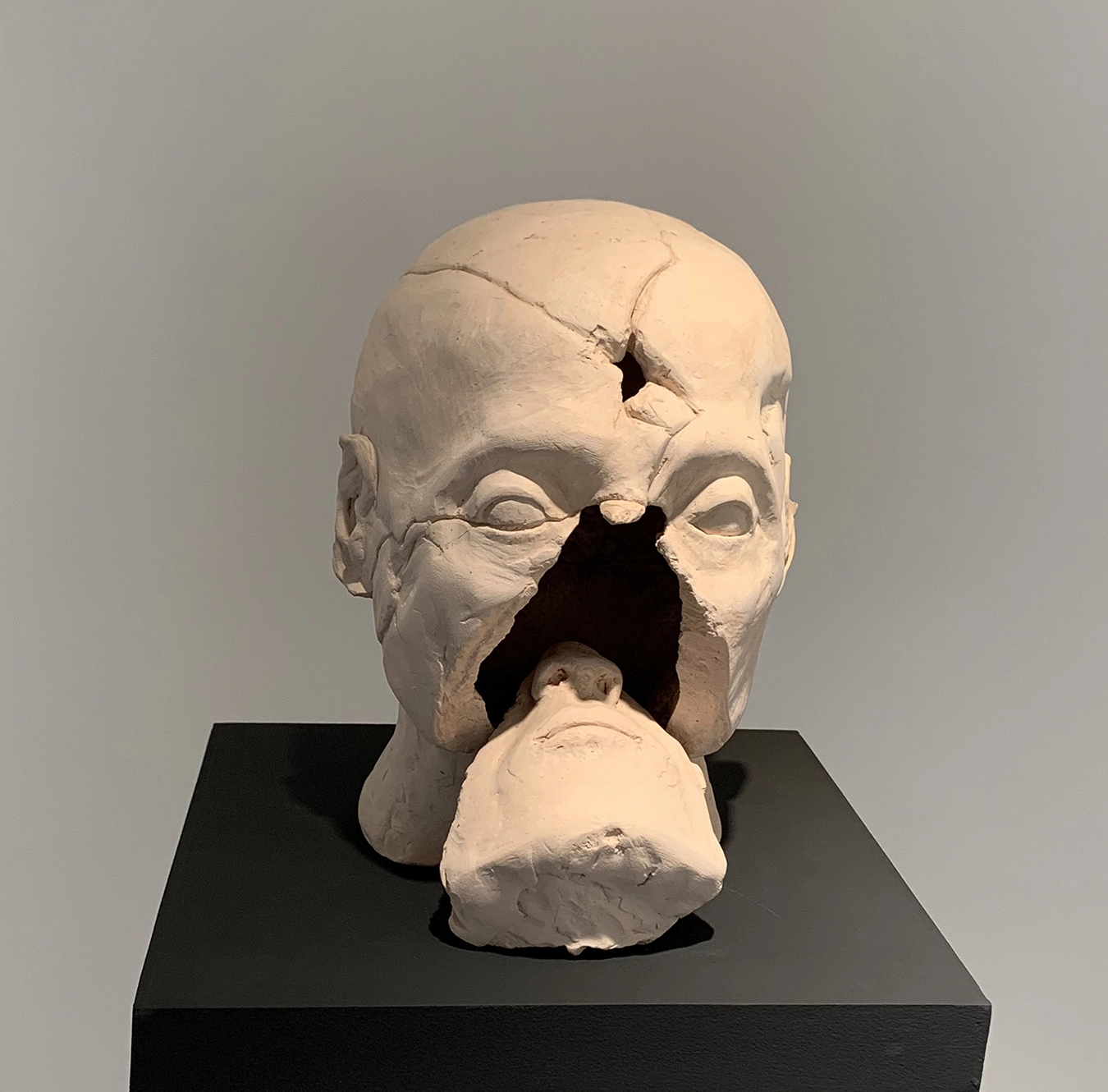
Ali Akbar PN
No Title
Clay
6.5 x 6.5 inches
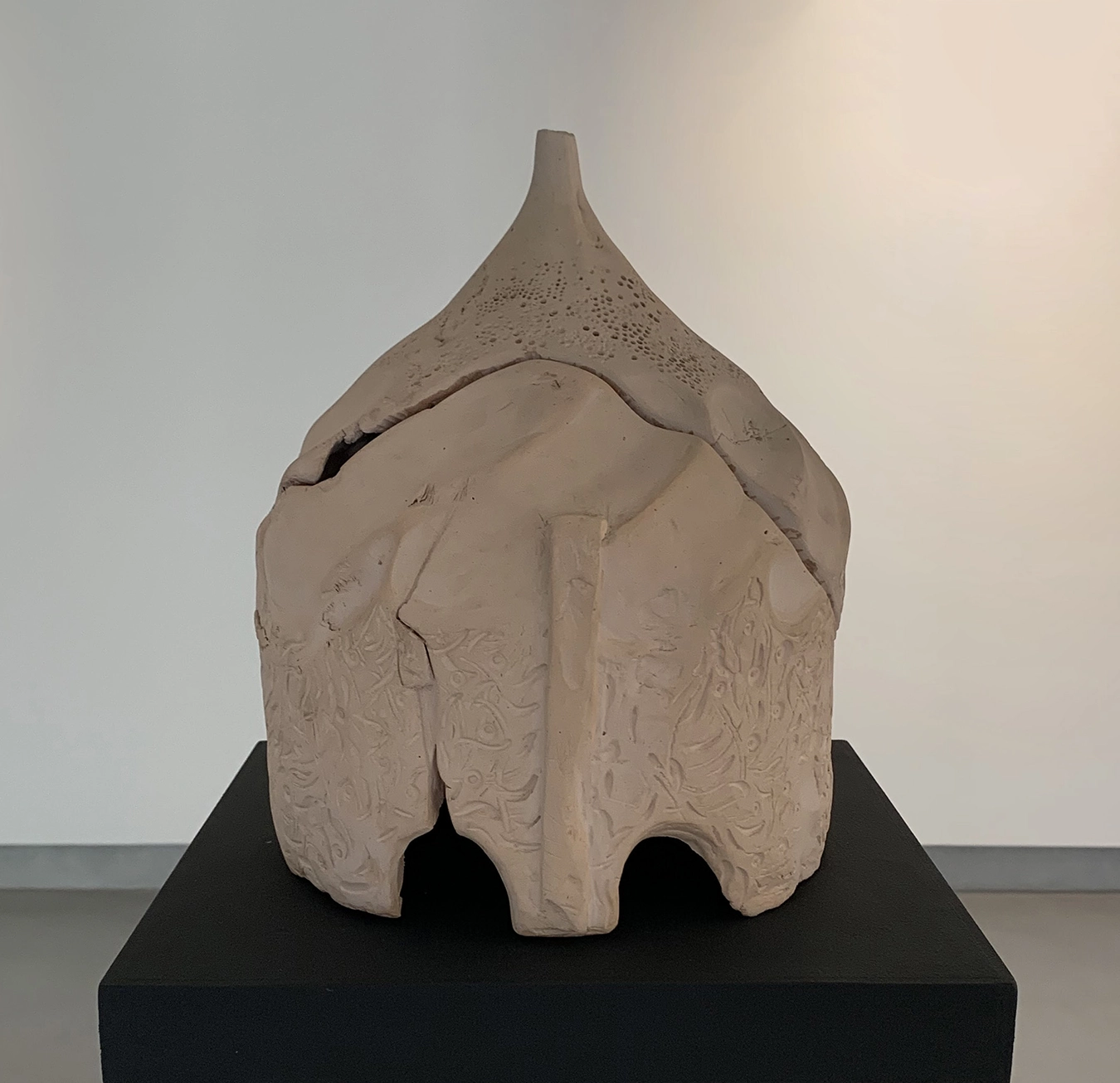
Ali Akbar PN
No Title
Clay
9 x 10 inches
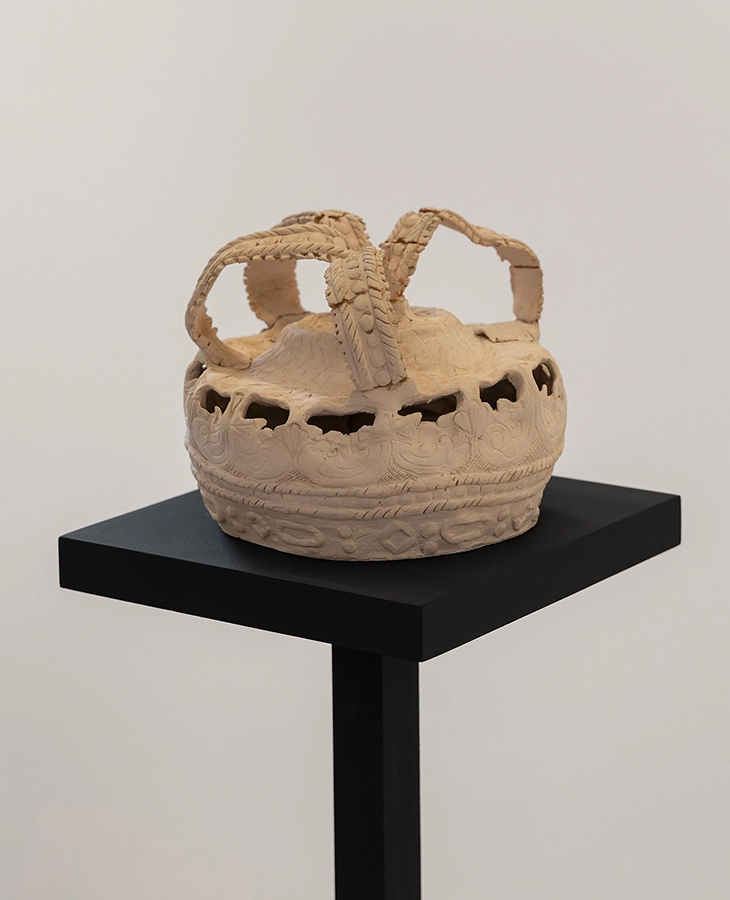
Ali Akbar PN
Replica Crown of Imamshah Bawa
Clay
8.5 x 8 inches
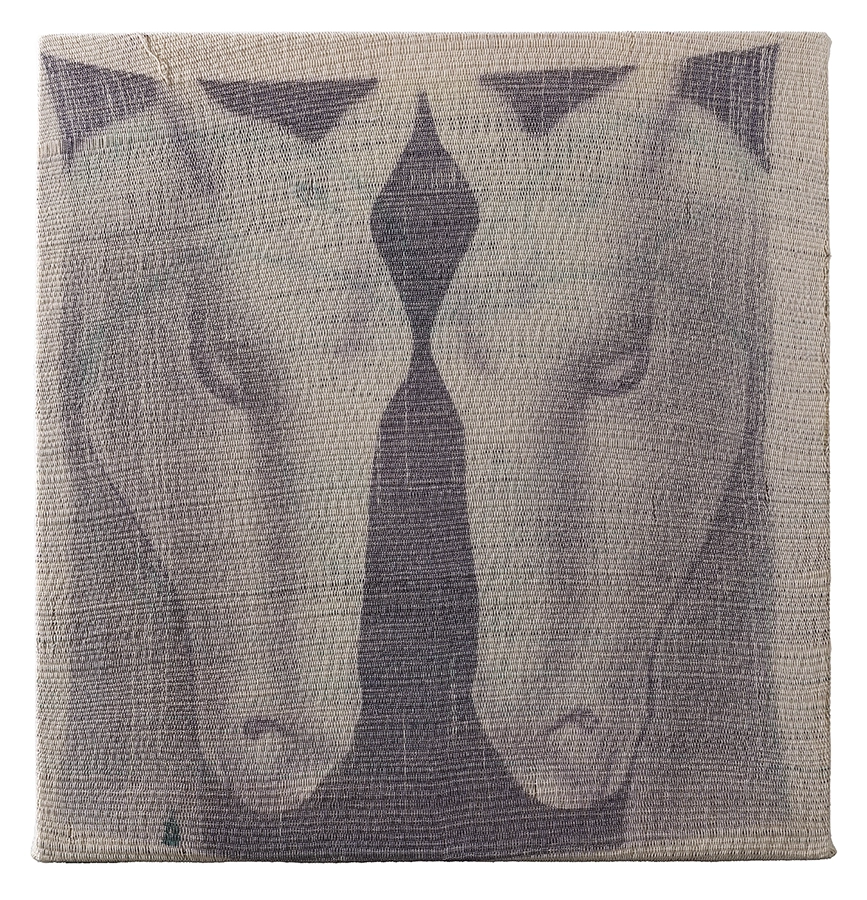
Tarika Sabherwal
Between Two
Acrylic on cotton duck canvas
20 x 19 inches
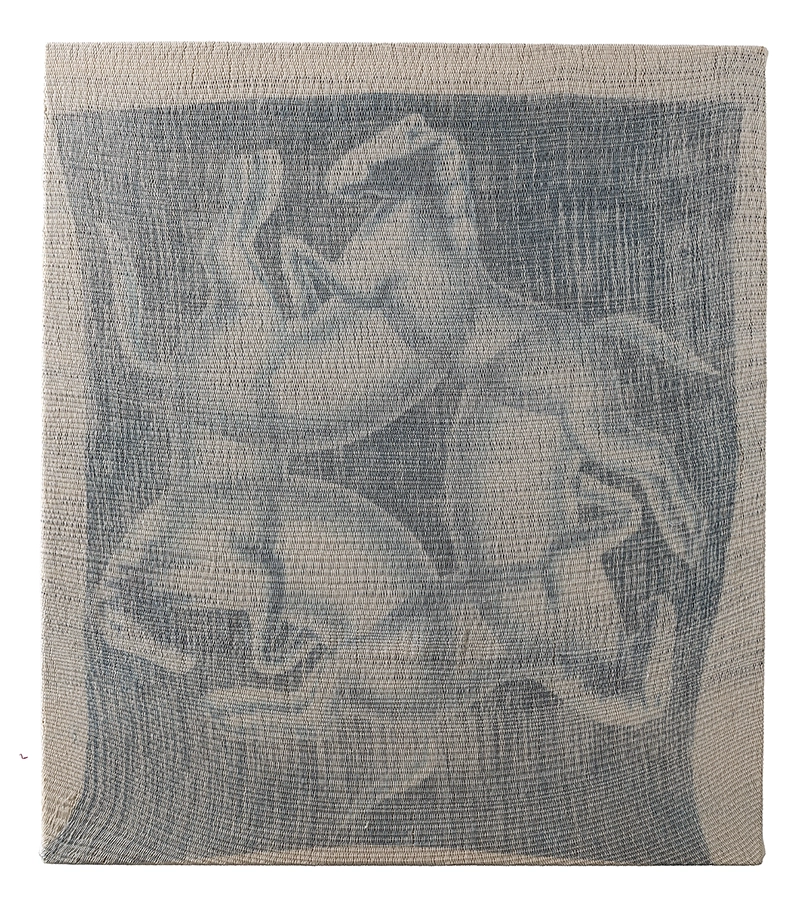
Tarika Sabherwal
Churning
Acrylic on cotton duck canvas
23 x 26 inches
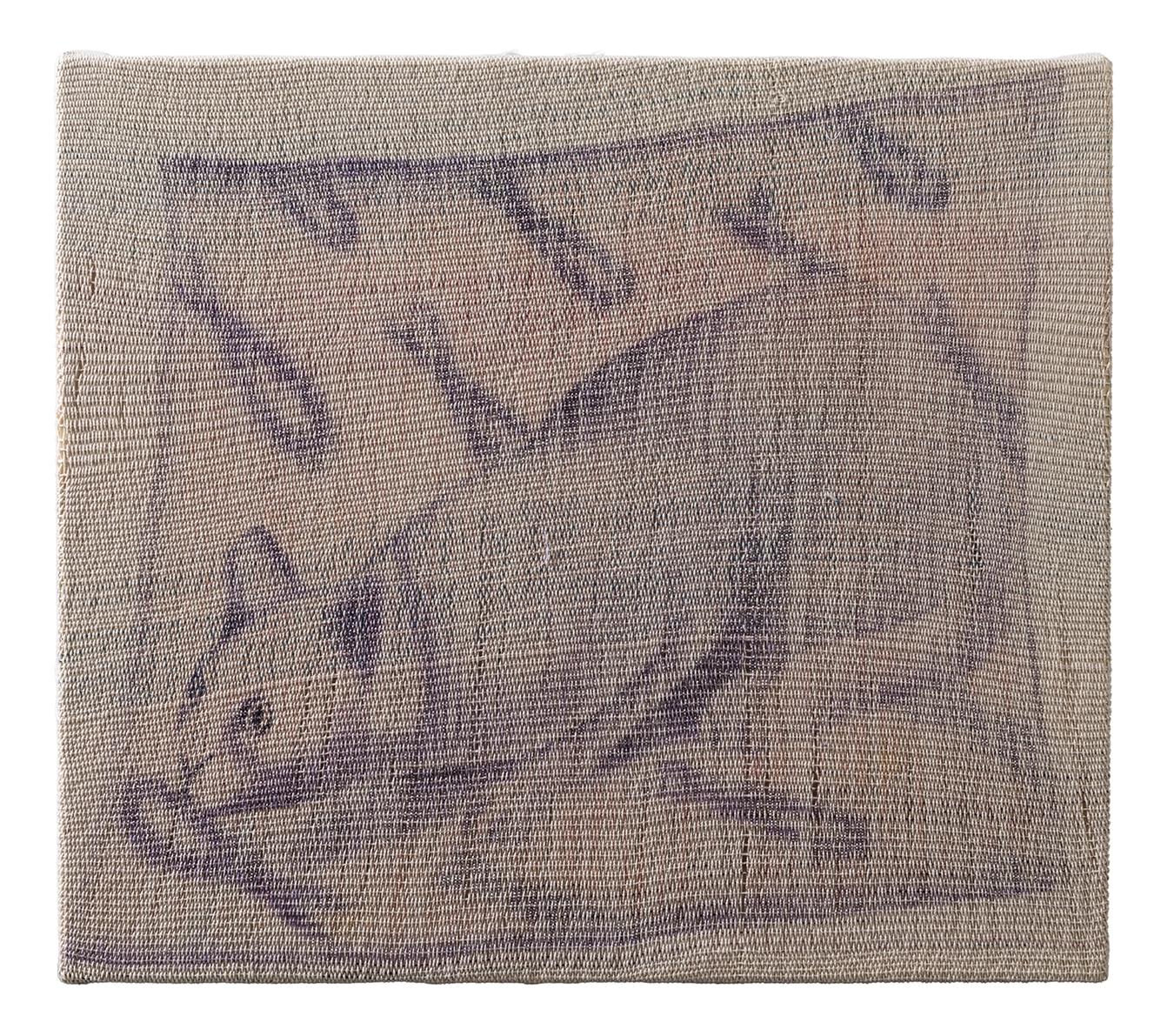
Tarika Sabherwal
Caught in a downpour
Acrylic on cotton duck canvas
16 x 14 inches
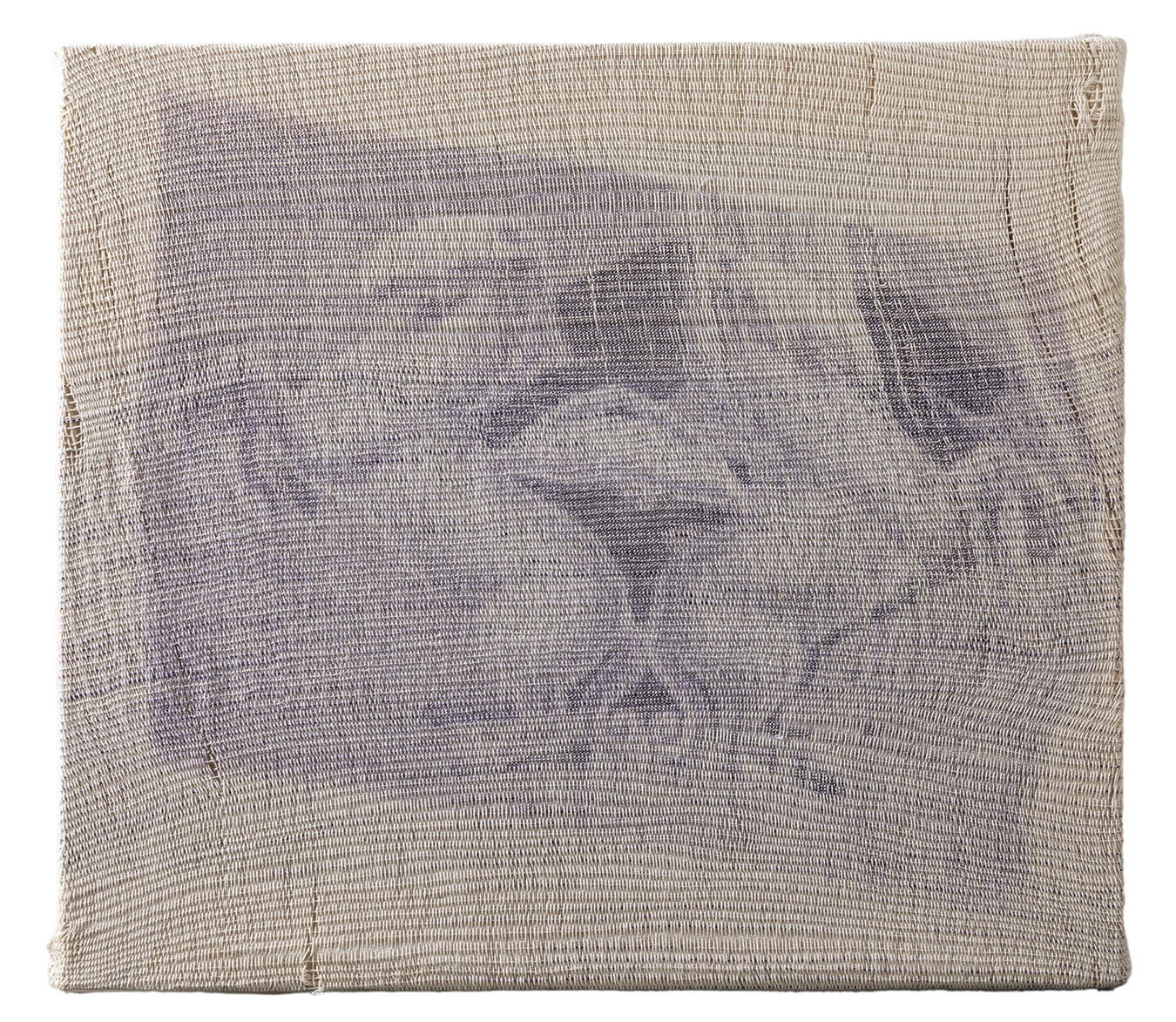
Tarika Sabherwal
Sharing a wing
Acrylic on cotton duck canvas
18 x 16 inches
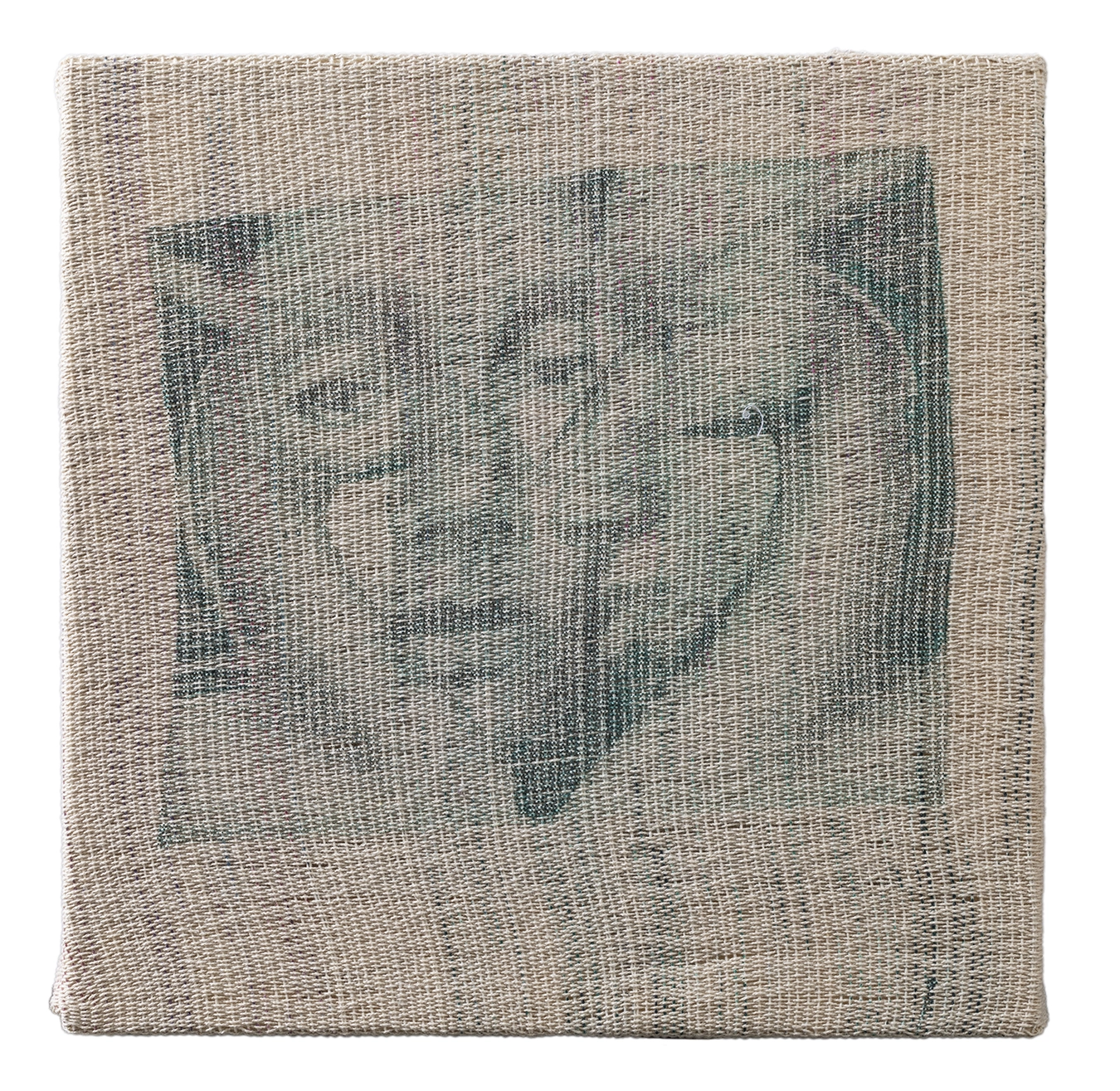
Tarika Sabherwal
Reflection
Acrylic on cotton duck canvas
12 x 12 inches
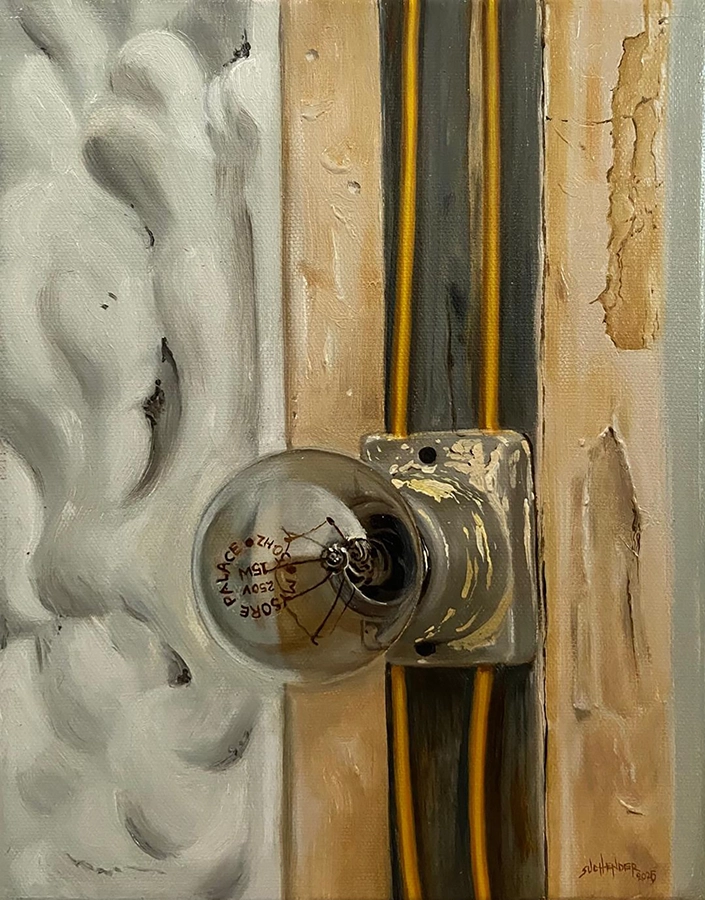
Suchender P
Mysore palace 15W
Oil on canvas
8 x 10 inches
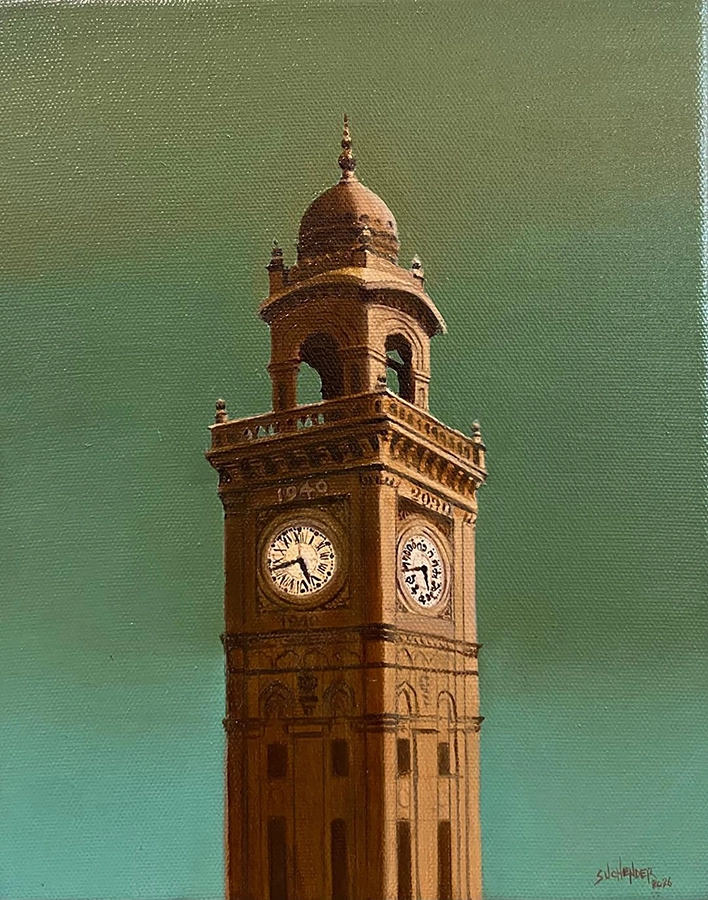
Suchender P
Time past, time present
Oil on canvas
8 x 10 inches
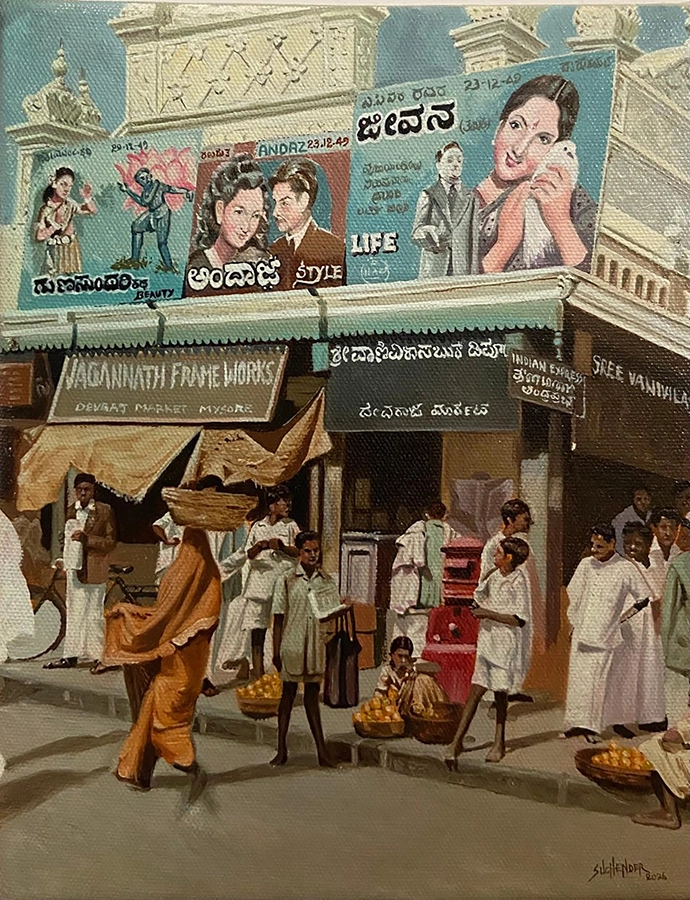
Suchender P
Life Style Beauty
Oil on canvas
8 x 10 inches
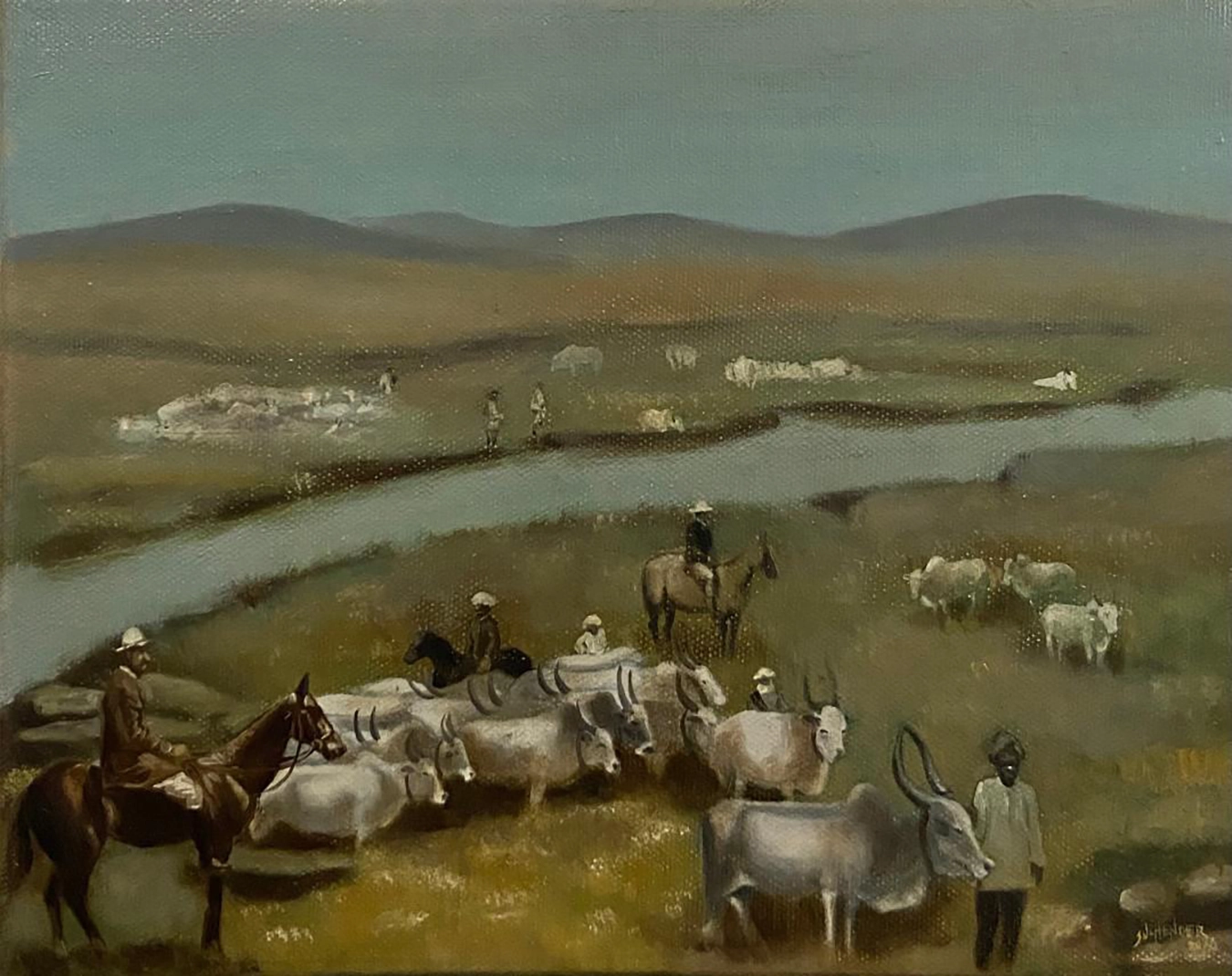
Suchender P
Cow trading for British Army
Oil on canvas
8 x 10 inches
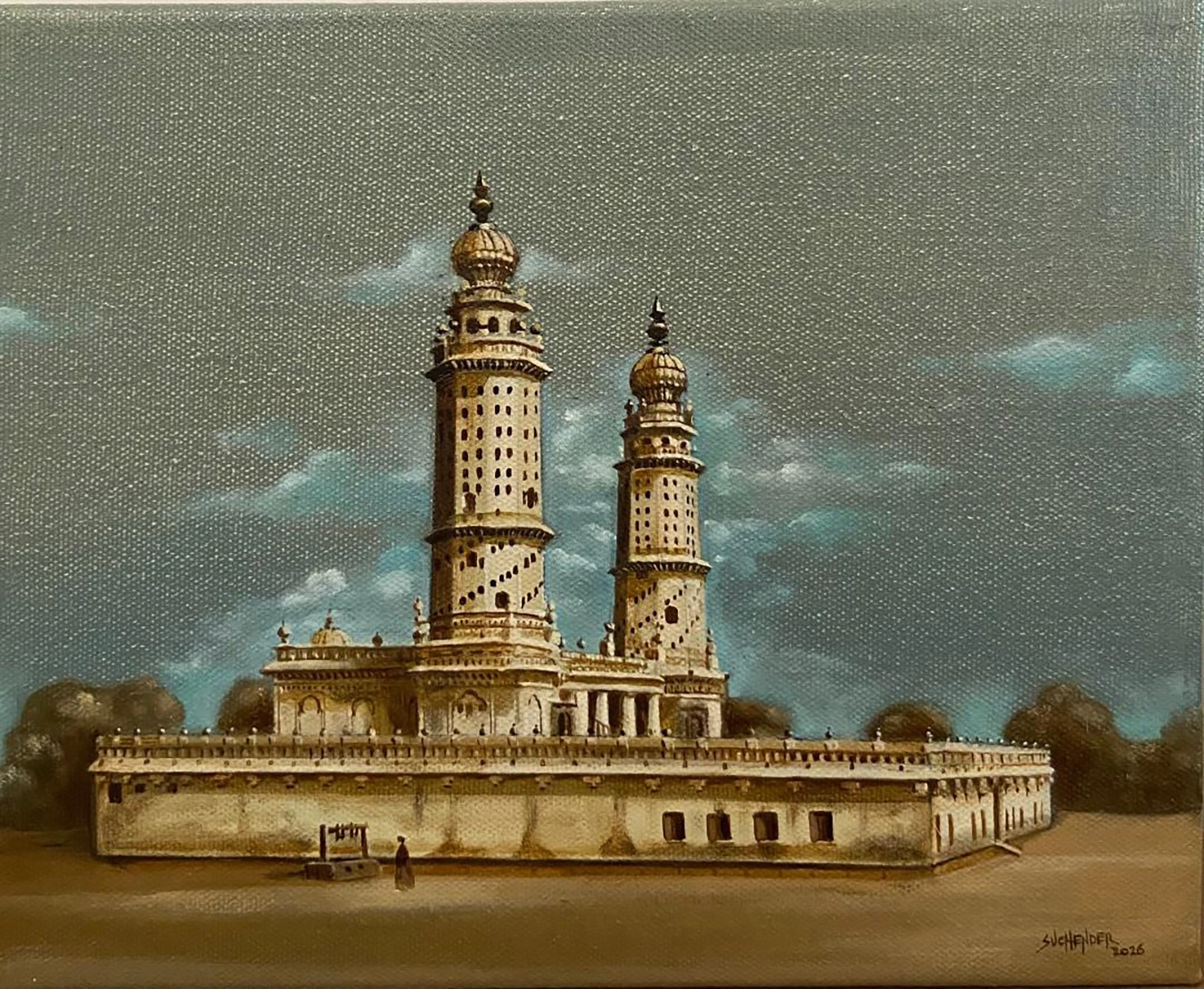
Suchender P
Jama Masjid by Tippu
Oil on canvas
8 x 10 inches
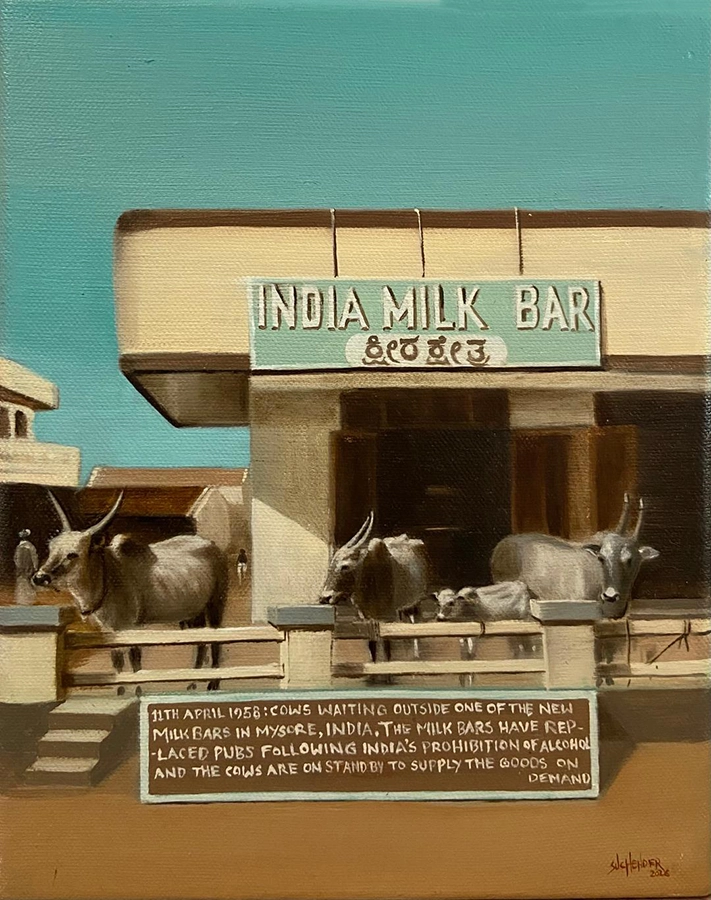
Suchender P
India Milk bar, Mysore
Oil on Canvas
8 x 10 inches
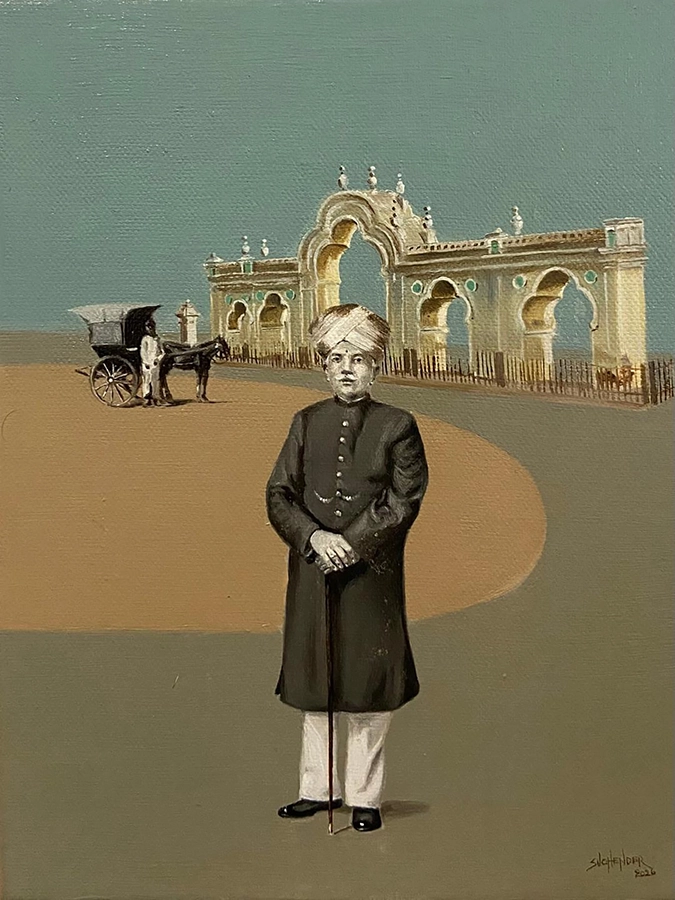
Suchender P
Three dimensions in the middle
Oil on canvas
8 x 10 inches
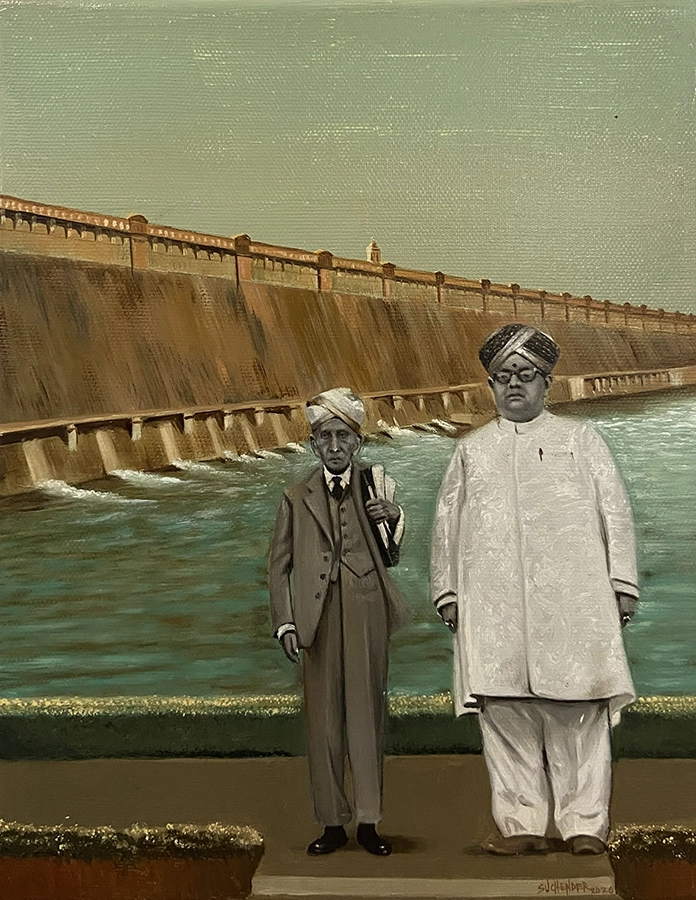
Suchender P
Homage
Oil on canvas
8 x 10 inches